

Tell us about yourself

I’m Mariska Nell—a designer, artist, environmental consultant, and podcast host deeply committed to sustainability. Over the course of my career, I’ve worked across five countries, developing creative solutions to pressing environmental challenges such as waste management and raising awareness through art. I hold a postgraduate diploma in Environmental Science and am currently pursuing a Master’s in Sustainable Design and Environmental Science to deepen my expertise.
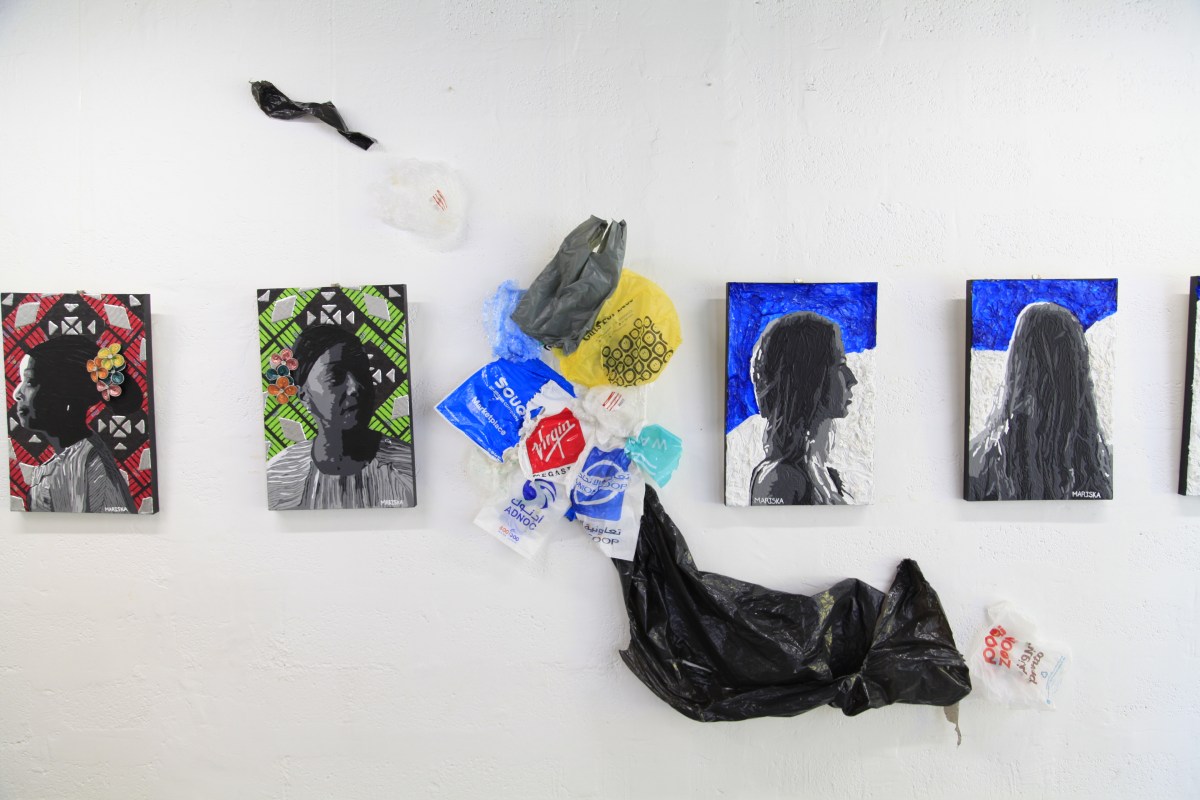
In 2018, I launched a thought-provoking initiative in Dubai by wearing trash for 30 days to highlight the importance of rethinking our disposal habits. As the host of the Mama Earth Talk podcast, I share inspiring stories of individuals driving meaningful change while offering practical tips for sustainable living. My art, crafted from recycled materials, serves as a catalyst for conversations about waste and its environmental impact.
Through every project I undertake, my goal is clear: to inspire positive change and contribute to building a more sustainable future for all.
What inspired you to embrace eco-friendly practices and make a shift towards sustainability?
My journey toward embracing eco-friendly practices began with my art. It all started when I noticed a coffee capsule and began questioning its composition, the best way to recycle it, and how I could repurpose it to give it a second life. This simple curiosity transformed the capsule into not just a medium for my art but also a catalyst for change in my household. As I delved deeper into understanding waste, I became increasingly motivated to explore sustainable practices. One small habit led to another, creating a ripple effect. Before long, our household had reduced waste to the point where we needed to empty our single bin only every few months. This journey of discovery and gradual change has fuelled my passion for sustainability and inspired me to find innovative ways to reduce our environmental impact, both in my personal life and through my work.
What are the primary steps you take to integrate eco-friendly practices into your lifestyle?
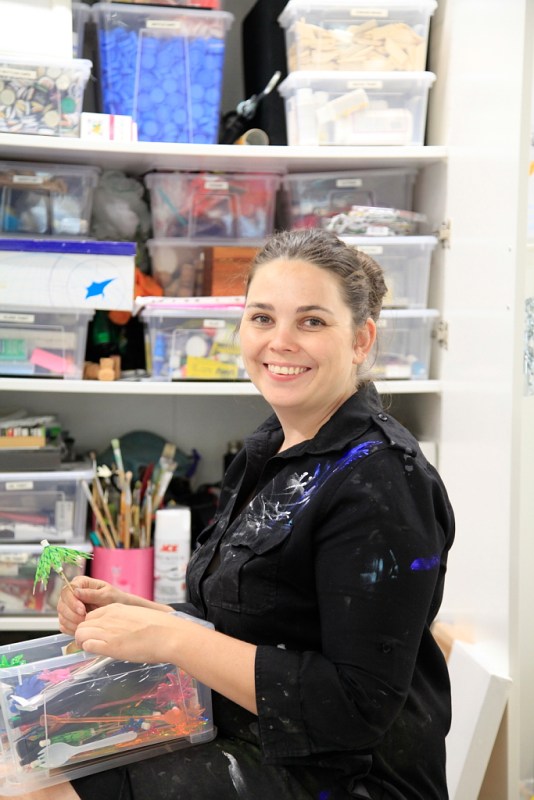
I have been on this journey for several years, and while some might view my lifestyle as extreme, I believe it’s about being intentional and prepared to integrate eco-friendly practices into daily life. One of the most impactful steps we take as a household is composting our food waste.
When we lived in Australia, we had access to a wonderful community garden where we would drop off our food scraps weekly as part of our regular walks. Upon returning to Dubai, finding a composting solution became a priority. I discovered a great service that collects our food waste weekly or fortnightly, depending on how full our container is. This not only reduces our household waste and eliminates frequent trips to the garbage chute, but it also contributes to reducing methane emissions in landfills. By composting, we transform food scraps into a valuable resource instead of contributing to climate change.
Over time, I’ve developed many habits that now feel like second nature. For instance, I always carry a reusable water bottle, so I haven’t needed to purchase a plastic bottle in years. I also keep a reusable bag in my handbag, which I’ve used countless times. For me, it comes down to preparation. Before leaving the house, I take a moment to consider my plans: Will I be out long? Might I need a cup of coffee? Will I sit down with a ceramic mug, or should I bring a reusable one? Of course, life can be unpredictable, but I’ve found that being prepared helps me adapt.
To stay organized and ready, I’ve created three sustainability kits that have been invaluable:
1. On-the-Go Pack
This small kit fits in my handbag and includes essential reusable items for daily outings:
- Reusable shopping bag
- Water bottle
- Beeswax wraps
- Napkin (which doubles as a cover for beeswax wraps)
- Spork
- Cutlery set
- Chopsticks
- Straw and straw cleaner
- Coffee cup or glass jar (if I anticipate grabbing a takeaway drink)
2. Always-in-the-Car Kit
For unplanned shopping trips, I keep a kit in my car with reusable items, so I’m never caught off guard. It includes:
- Cloth bags
- Produce bags
- Sealable Stasher bags
- Glass containers
3. Sustainability Drawer
Located near our front door, this drawer houses all my reusable items for grocery shopping or takeout. It includes:
- Shopping bags
- Produce bags
- Sealable Stasher bags
- Glass containers
- Coffee cups
- Egg holders
- Collapsible containers
These kits have saved us from relying on countless single-use items. The key is to return everything to its place after use and washing. This ensures I’m always ready to go without scrambling to find a reusable cup or bag at the last minute. While it takes a bit of effort to set up these systems, they are incredibly easy to maintain and make sustainable living much more manageable.
Share some of the most effortless yet impactful eco-friendly changes you’ve made in your daily routine.

There isn’t a one-size-fits-all solution for adopting eco-friendly habits, though I’ve attempted to create a helpful guide. For me, the journey began by identifying the main culprits that made my lifestyle less sustainable. This started with a simple but effective step: conducting a bin audit. By examining the contents of our trash over the course of a week, I was able to pinpoint the most frequently discarded items. From there, I assessed which items could be easily replaced with eco-friendly alternatives or eliminated entirely. This approach made the transition feel manageable and impactful.
Here are some of the effortless yet impactful changes I made:
- Water bottles: Switching to a water filtration system eliminated the need for single-use plastic bottles.
- Single-use plastic bags: I replaced these with reusable cloth bags.
- Single-use produce bags: I now use reusable mesh or fabric produce bags.
- Single-use freezer bags: Sealable, reusable silicone bags became my go-to.
- Plastic straws: Switching to reusable metal or bamboo straws was a simple change.
- Disposable coffee cups: I now carry a reusable coffee cup or glass jar for drinks on the go.
- Disposable razors: I transitioned to a safety razor that lasts much longer.
- Plastic toothbrushes: I now use a bamboo toothbrush, which is biodegradable.
Additionally, the sustainability kits I mentioned earlier have been a game-changer. They allow me to stay prepared and reduce single-use waste without much extra effort. These small adjustments, when implemented consistently, have significantly reduced our household’s environmental footprint and are easy for anyone to adopt.
What difficulties have you encountered while striving to live in an environmentally conscious manner?
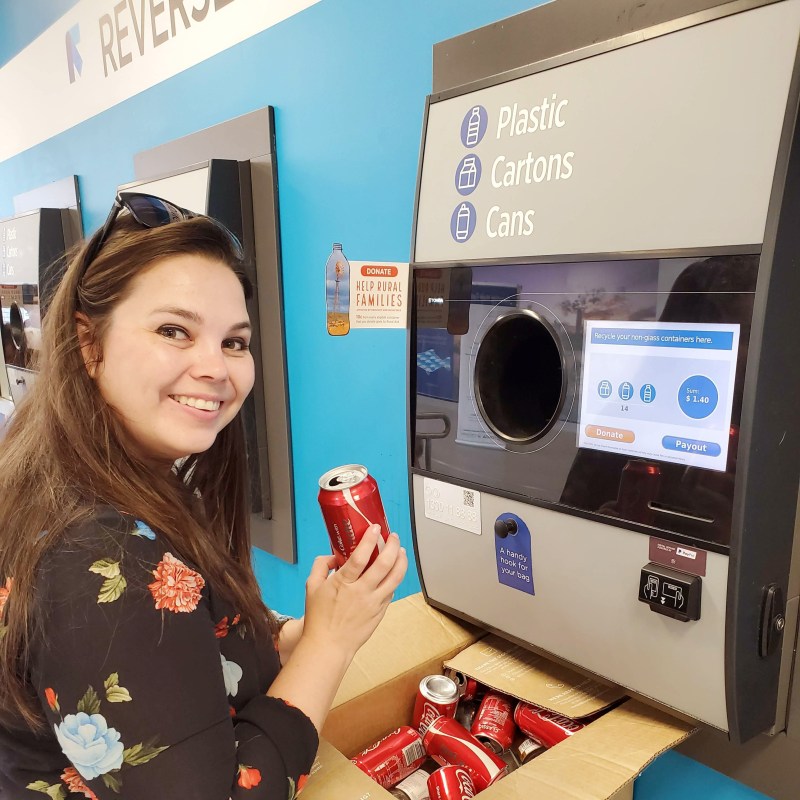
Over the years, I’ve encountered many challenges on my journey toward living more sustainably. One of the most difficult aspects early on was managing my frustration when others didn’t make eco-friendly choices. For example, I would sometimes order coffee in my reusable cup, only to see the barista pour it into a disposable takeaway cup first, defeating the purpose. Over time, I realized I needed to find peace within myself and accept that this journey is uniquely mine. I couldn’t expect everyone to instantly adopt the same practices or force anyone to make sustainable choices. Instead, I began approaching these situations with empathy, trying to understand others’ perspectives and finding common ground.
For instance, when purchasing vegetables in reusable bags, I now take a moment to explain to the cashier or vendor that I don’t need labels placed on single-use plastic bags. These small conversations help bridge the gap, raise awareness, and create a positive experience for everyone involved.
While these moments can still be challenging, they’ve taught me patience, understanding, and the importance of leading by example rather than imposing my values on others. This approach has made my sustainability journey not only more rewarding but also more impactful in encouraging others to join in.
Describe a rewarding moment on your sustainability journey
There has been so many since I started the journey, two really hit home.

One of the most rewarding moments on my sustainability journey occurred during my 2018 “30 Days of Wearing My Waste” challenge. As part of the initiative, I conducted numerous talks, including visits to schools. A few weeks after one of these visits, a teacher contacted me to share a story: a parent had called the school, explaining that their child had insisted the family stop using disposable paper towels and switch to reusable alternatives. This simple yet impactful change reminded me that even the smallest actions can inspire meaningful shifts in behavior. I often wonder what other sustainable practices that family might have adopted over the years.
Another deeply fulfilling aspect of my journey has been hosting my podcast, Mama Earth Talk. The podcast was born out of the incredible conversations I had while wearing my waste for 30 days and my desire to explore these topics further. It has given me the opportunity to engage with inspiring change-makers such as Dr. Sylvia Earle and Captain Paul Watson. Their groundbreaking work has impacted countless lives and continues to motivate me to push the boundaries of what I can contribute to the sustainability movement. These moments not only reaffirm the importance of the work I do but also fuel my passion to continue driving change and inspiring others along the way.
What are some misconceptions about being eco-friendly that you’d like to debunk?
One common misconception about being eco-friendly is that it’s expensive. Many people hesitate to start their sustainability journey because they see influencers showcasing new, expensive “sustainable” products. This can create the false impression that you need to replace all your plasticware with pricey mason jars or shop exclusively at organic, package-free stores. However, in our household, this couldn’t be further from the truth.
Sustainability, for us, is about being mindful of what we bring into our home, whether it’s food or products. This mindset has not only helped us reduce waste but also allowed us to appreciate the things we already have. Planning has been a key part of this process. For example, meal planning helps us minimize waste and spending. I start by checking our cupboards to see what can be used and only add the necessary items to our shopping list. Properly storing produce to extend its shelf life is another simple practice, and if I know I won’t use something in time, I prep and freeze it for future use, ensuring nothing goes to waste.
Another misconception I’d like to debunk is the idea that you need to buy new, expensive items to live sustainably. The most sustainable option is often the one you already have. You don’t need the trendiest reusable coffee cup on the market—years ago, I used a simple glass peanut butter jar wrapped in a mismatched sock (a “widow sock” that lost its pair in the laundry). Use what you have first, and only replace items as needed.
Sustainability doesn’t have to be about perfection or spending more—it’s about being resourceful, intentional, and making small, meaningful changes over time.
How do you plan on continuing your sustainability journey? What other aspects do you plan to change?
I am currently pursuing a Master’s degree in Sustainable Design and Environmental Science, which allows me to stay informed about the latest sustainability challenges, solutions, and trends. As a lifelong learner, I’m committed to continually deepening my knowledge and applying it in meaningful ways.
My sustainability journey is woven into everything I do, whether it’s my work with corporations to help them advance their own sustainable practices or my efforts as a designer and artist. I focus on considering the entire lifecycle of the materials I use, ensuring that the pieces I create are not only impactful but also sustainable. My goal is to avoid contributing to waste or producing items that could end up in a landfill.
Looking ahead, I plan to explore additional ways to incorporate sustainability into both my personal life and professional work. This includes seeking innovative solutions to reduce waste, promoting circular design principles, and inspiring others to embrace eco-friendly practices. By continually evolving and challenging myself, I hope to drive meaningful change and contribute to a more sustainable future.
Lastly, how do you think we can ensure that eco-friendly options and choices are available and attainable for a diverse range of individuals?
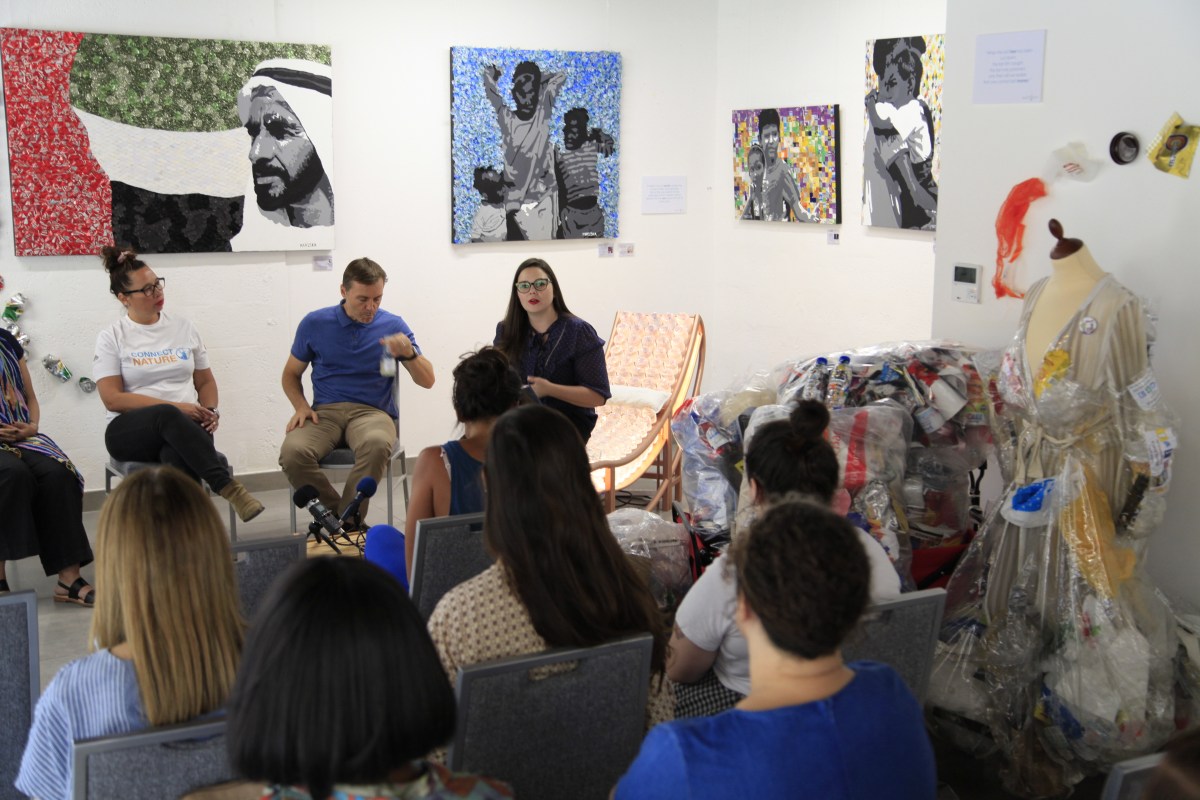
To ensure that eco-friendly options are accessible and attainable for a diverse range of individuals, it’s crucial for consumers to make their voices heard. This can be achieved through their spending habits and by actively communicating their preferences to suppliers.
One reason sustainability is often perceived as expensive is that many eco-friendly products are initially niche items, typically sold by small businesses or specialty stores with higher overhead costs. However, as demand increases and larger retailers start to stock these items, the economies of scale come into play, significantly reducing prices.
A great example of this is shampoo and soap bars. Just a few years ago, these items were only available in select specialty stores. Today, you can find a wide variety of these products in most supermarkets at competitive prices. This shift demonstrates the power of consumer demand and the role it plays in making sustainable options more mainstream and affordable. By encouraging open dialogue between consumers and suppliers, promoting awareness, and continuing to support sustainable choices, we can make eco-friendly options accessible to all, regardless of background or financial means.