

- Tell us about Bambuyu. The inspiration behind the creation of Bambuyu and its mission?
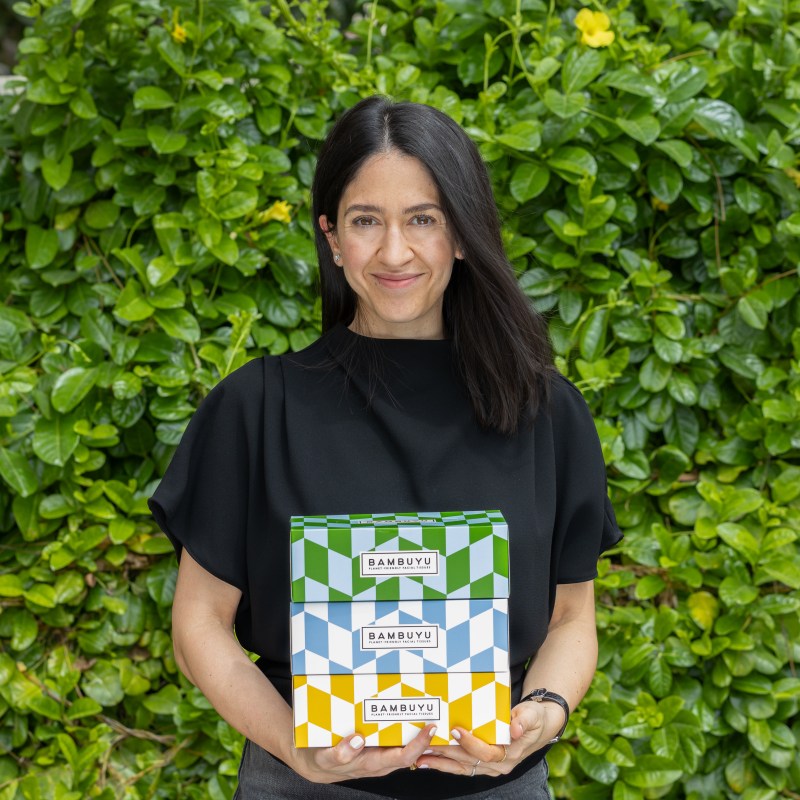
Bambuyu was born from a simple yet powerful idea: everyday products shouldn’t come at the expense of our planet. Witnessing how many trees are cut down to make tissues and the plastic waste their packaging generates, I knew it was time for change. Big brands were stuck using toxic, unsustainable materials, leaving a clear need for eco-friendly alternatives. Our mission is to fight deforestation by revolutionizing the tissue industry. Using 100% bamboo—a rapidly renewable resource—and plastic-free packaging, we aim to inspire sustainable choices while proving that eco-friendly products can be high-quality and accessible.
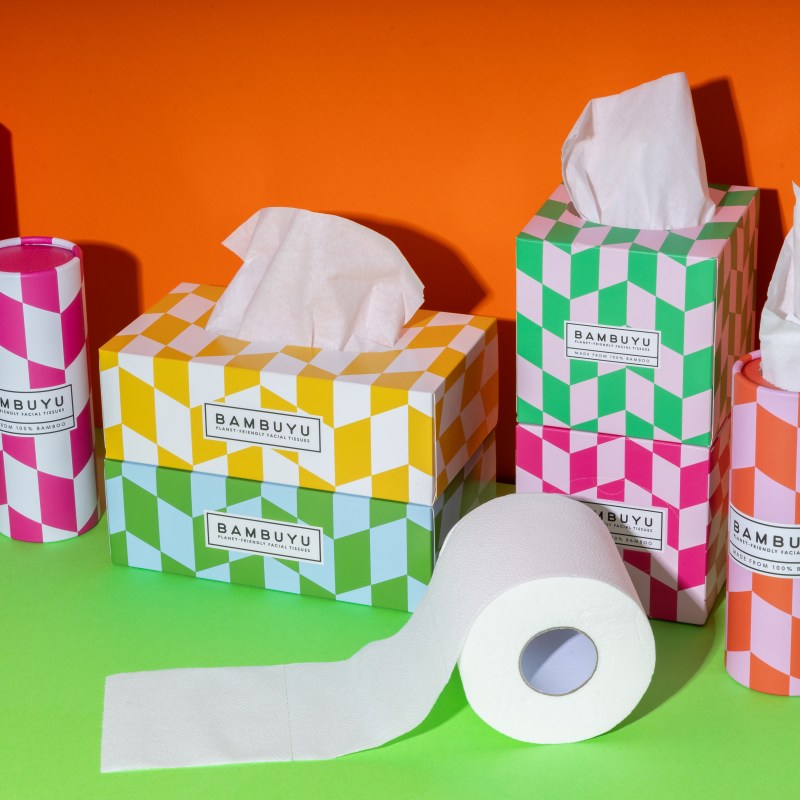
We also wanted to make sustainability approachable and exciting, even for those just starting their eco-friendly journey. Designing packaging that felt modern, inviting, and universally appealing was a key part of making the switch to sustainable living easier and more inspiring for everyone.

- What impact is Bambuyu trying to make?
Our goal is to transform how tissues are made and consumed, moving away from tree-based products and reducing plastic waste. By switching to bamboo, we’re not just preserving forests—we’re also sparking conversations about sustainability in everyday life.
- What are the positive impacts Bambuyu has already made?
Since our launch in 2021, Bambuyu has saved over 50,000 trees, conserved 135,000 liters of water, and prevented 56 kg of plastic waste that would have been used in standard tissue production. We actively collaborate with early education centers and universities to foster grassroots conversations about sustainability with the next generation. Seeing customers embrace our products and share our mission has been deeply rewarding.
- Can you share some future plans or initiatives that Bambuyu has in store to enhance its impact?
To make a lasting difference, our long-term goal is to localize our entire supply chain in the UAE. We are exploring partnerships with local organizations and universities to assess the feasibility of growing bamboo in the region. On the product front, we continue to work closely with customers to identify gaps and develop new bamboo-based tissue products that meet real needs while staying true to our mission.
- Finally, what advice would you give to other businesses and brands looking to become more sustainable and socially responsible in their operations?
Examine every aspect of your operations—from raw materials to supply chains—and identify where you can make meaningful changes. It doesn’t have to be all or nothing; start with areas that have the highest impact or usage. Engage your customers and community—they’re your biggest advocates.