

Can you introduce yourself and describe the work you currently do, and how sustainability became central to your professional journey?

My name is James Magugu, originally from Malawi, affectionately known as The Warm Heart of Africa. I currently serve as the Sustainability and Food Safety Executive at JA The Resort, where I oversee sustainability initiatives, food safety and quality standards across the resort. My role is focused on ensuring compliance with international standards while enhancing operational excellence and creating memorable experiences for our valued guests.
My passion for sustainability began in 2009 during my college studies in Community Development and Social Work. Much of my education focused on empowering marginalised and disadvantaged communities by improving livelihoods, building local capacity and encouraging people to make better use of the natural resources available to them through practical and sustainable innovations.
After relocating to Dubai, I had the privilege of working across several industries, including healthcare, retail and hospitality. In every sector, sustainability played an increasingly important role in daily operations, which further strengthened my passion for creating meaningful environmental and social impact.
This journey inspired me to pursue a range of professional qualifications, including Advanced Chief Sustainability Officer, Advanced Data Science and Analytics, Inclusive Learning Design, Certified Facility Manager, and ISO Integrated Management Systems, among many others. I firmly believe that passion without knowledge and action is like building a house without a foundation.
From your experience, how do sustainability priorities differ across sectors or regions, and how do you adapt your approach accordingly?
Sustainability priorities vary across industries and regions because every sector has different goals, challenges and responsibilities.
In hospitality, our focus is on creating exceptional guest experiences while reducing our environmental impact, ensuring sustainability enhances rather than compromises comfort and luxury. In comparison, industries such as construction and property development place greater emphasis on sustainable materials, energy-efficient technologies and long-term infrastructure.
Regional priorities also differ. Developed countries often focus on innovation and advancing sustainability through new technologies, while developing nations are more likely to prioritise initiatives that improve livelihoods, reduce poverty and strengthen communities.
To adapt, I rely on three principles from my background in social work: Individuality, Acceptance and Conscientisation. I believe every sustainability initiative should be treated differently, using tools such as materiality assessments and SWOT analyses to understand what matters most. I also recognise that every organisation and community has its own culture and priorities, so listening and adapting is essential. Finally, I focus on identifying people’s strengths and empowering the right individuals to lead the right initiatives.
Ultimately, successful sustainability is never about applying the same solution everywhere; it’s about understanding people, context and creating meaningful, lasting impact.
Which sustainability challenges do you believe require the most urgent attention today, particularly within your field of work?

The greatest challenge facing sustainability today is changing mindsets.
Many people still believe sustainability is limited to charitable donations or highly visible campaigns, without recognising the long-term environmental, social and economic impact it can create. Another misconception is that sustainability belongs to a single department, when in reality it should be embedded across every aspect of an organisation.
Another significant challenge is implementing sustainability initiatives through a purely top-down approach. When projects are introduced without proper consultation or involving the people responsible for implementing them, they often face resistance and lack long-term ownership.
One initiative I am particularly proud of at JA The Resort is the introduction of our annual JA Sustainability Trade Show. This event provides every department with an opportunity to showcase its sustainability achievements while learning from colleagues across the resort.
It also brings together external sustainability partners from academia, government, NGOs, property development and sustainable technology providers, creating an inspiring platform for collaboration and innovation.
Which SDG best aligns with your work, and how does it show up in practice?

Two Sustainable Development Goals resonate most strongly with me: SDG 5 – Gender Equality and SDG 17 – Partnerships for the Goals.
As someone who strongly believes in inclusivity, collaboration and equal opportunity, these two goals are the driving force behind many of the sustainability initiatives I lead. They remind me that lasting change is only possible when people from different backgrounds, experiences and expertise work together towards a common purpose.
Through meaningful partnerships and active participation across all levels of the organisation, regardless of gender or role, we create stronger, more balanced teams.
These SDGs address one of the root causes of many sustainability challenges: human behaviour. Environmental degradation, pollution and the misuse of natural resources are largely the result of human actions. Likewise, positive change begins with people. When we promote equality, strengthen partnerships and encourage ethical decision-making, we create the foundation for a more sustainable future.
How do you balance long-term sustainability goals with day-to-day realities?

Balancing long-term sustainability goals with the day-to-day realities of business is something I genuinely enjoy. I have always considered myself adaptable, a “jack of many trades” because throughout my life I have embraced different roles. Some people know me as a professional footballer, others as a DJ or audio engineer, a social worker, or a facilities management professional. Each experience has taught me to think differently, adapt quickly and approach challenges from multiple perspectives.
This versatility has helped me understand that sustainability cannot succeed without both strategic vision and practical action. Long-term goals provide the roadmap, helping organisations remain focused, disciplined and prepared for the future.
The two go hand in hand. Strategy provides direction, while practical implementation brings those ambitions to life.
Can you share one project that made a real environmental or social impact?

One of the projects I am most proud of was being part of the implementation team for JA The Resort’s in-house water bottling plant. Together, we developed operational guidelines and best practices that have since become a learning benchmark for organisations across the UAE’s hospitality and education sectors. I have personally had the opportunity to train more than 20 hotels and schools on these best practices, helping to expand the positive impact beyond our own organisation.
The project also supported the objectives of the ‘Dubai Can’ initiative and has eliminated more than six million single-use plastic bottles, significantly reducing plastic waste.
Another initiative close to my heart was the introduction of a digital food safety management system, replacing traditional paper-based records with a fully digital solution. The initiative has dramatically reduced paper consumption, supporting our wider commitment to environmental responsibility.
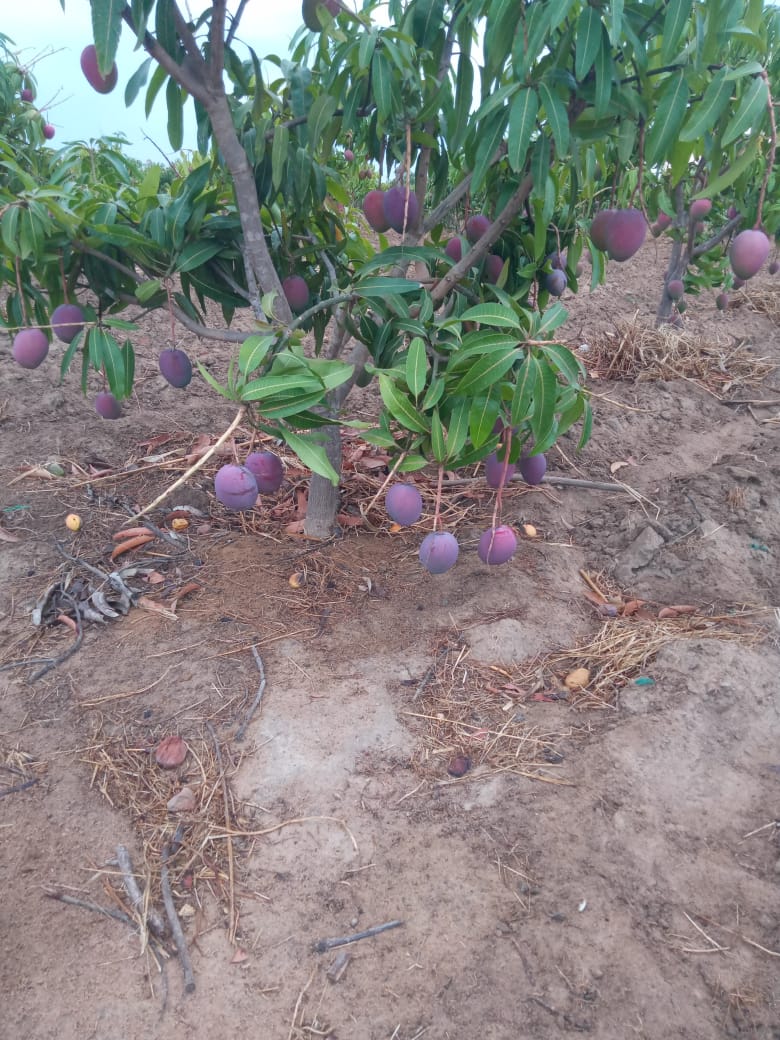
Outside of my professional role, sustainability is also part of my personal life. Together with my brother, we operate a sustainable farm in Malawi, producing mangoes and other organic crops using solar-powered irrigation systems and grafting techniques to improve crop quality and productivity. The farm also creates employment opportunities for local communities, demonstrating how sustainability can deliver both environmental and social benefits simultaneously.
What common challenges do you face when implementing sustainability initiatives?

One of the most common challenges is that sustainability often requires long-term thinking in environments that naturally prioritise short-term results. There can be pressure to show immediate outcomes, while many environmental and behavioural changes take time to fully develop and measure.
Another challenge is that sustainability is rarely owned by just one department or person. Successful initiatives usually require collaboration across operations, finance, marketing, leadership, and frontline teams, which means a lot of alignment, communication, and relationship building. Even strong ideas can struggle if people don’t feel connected to the purpose behind them.
I also think there’s still a perception in some spaces that sustainability has to come at the expense of business goals and standard operation, when in reality the most successful projects tend to integrate all of those things together.
And honestly, one of the challenges I’ve struggled most with is avoiding burnout within the industry itself. People working in sustainability care deeply about what they do, but environmental work can be emotionally heavy.
What barriers do you most commonly encounter when driving sustainability efforts, and how do you work through resistance or complexity?
The barriers I encounter most often are logistical constraints, cultural differences and organisational approval processes.
For example, transporting recyclable materials to external recycling partners can sometimes be challenging due to operational demands and limited logistics resources. Likewise, cultural values or local customs may influence how certain sustainability initiatives are received or implemented in different communities.
Within organisations, some projects also require multiple levels of approval. While governance is essential, sustainability opportunities can sometimes arise at short notice, meaning that delays in decision-making may impact implementation.
I have learned that overcoming these challenges begins with effective communication, collaboration and mutual respect. By engaging stakeholders early, listening to different perspectives and building strong partnerships, it becomes much easier to gain support and find practical solutions.
In what ways do you engage or influence others such as colleagues, stakeholders, or communities, to think differently about sustainability?
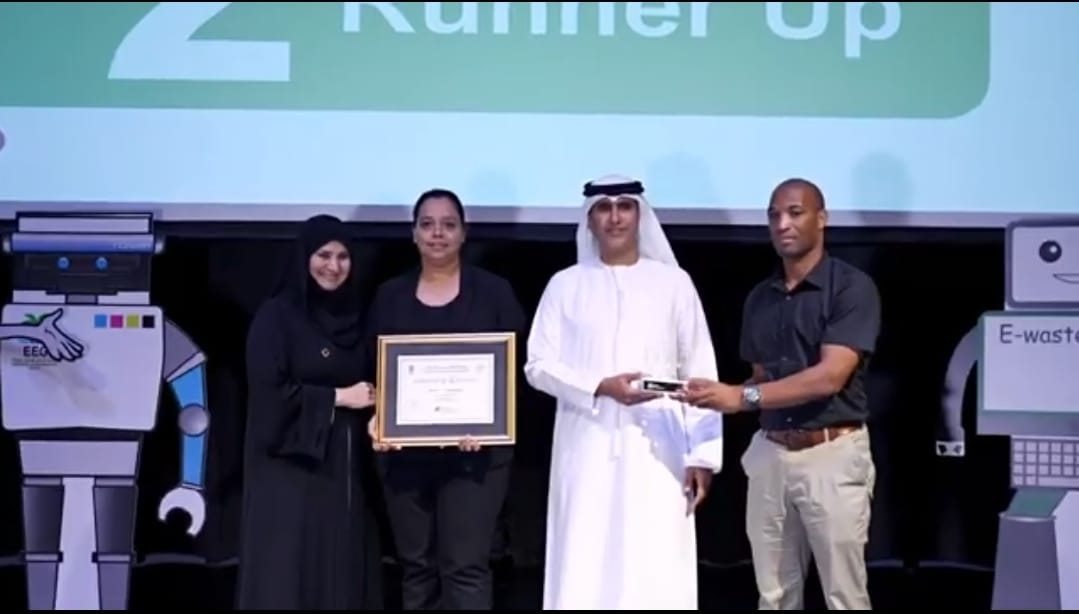
One of my core beliefs is that there is no competition in sustainability. Climate change affects everyone, regardless of how advanced an organisation or country may be. Our shared goal is to protect the environment and create a better quality of life for both present and future generations.
Community empowerment has always been central to my work. I actively participate in community clean-up campaigns, tree planting initiatives, volunteer programmes and training sessions, sharing best practices with other organisations and encouraging others to integrate sustainability into their own operations.
Building genuine relationships with stakeholders is essential. Rather than viewing partners simply as suppliers or service providers, I see them as an extension of our organisation. When partnerships are built on trust, they become powerful drivers of innovation and long-term sustainability.
Looking ahead, what trends or shifts give you hope for the future of sustainability and climate action?
In the UAE, initiatives such as the Net Zero 2050 Strategic Initiative and evolving climate legislation provide a strong framework that encourages every sector to contribute towards a common goal. Recognition programmes such as the Dubai Sustainable Tourism Stamp also play an important role by celebrating organisations that demonstrate genuine environmental leadership, inspiring others to continuously improve.
Recent global geopolitical developments have also highlighted the importance of building more resilient and self-sufficient sustainability systems. For example, disruptions to international recycling networks have encouraged organisations to explore local recycling solutions and invest in domestic infrastructure.