

Can you briefly introduce yourself and share what led you to focus on sustainability in your current role?
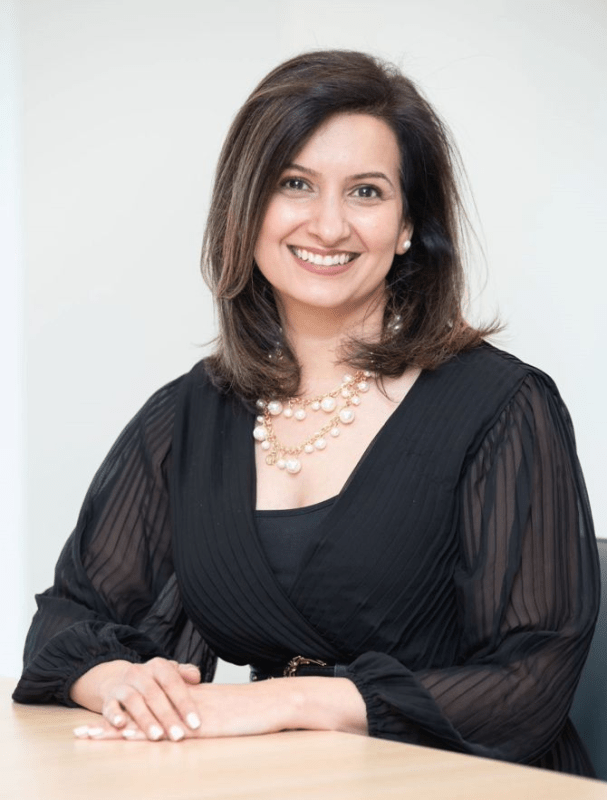
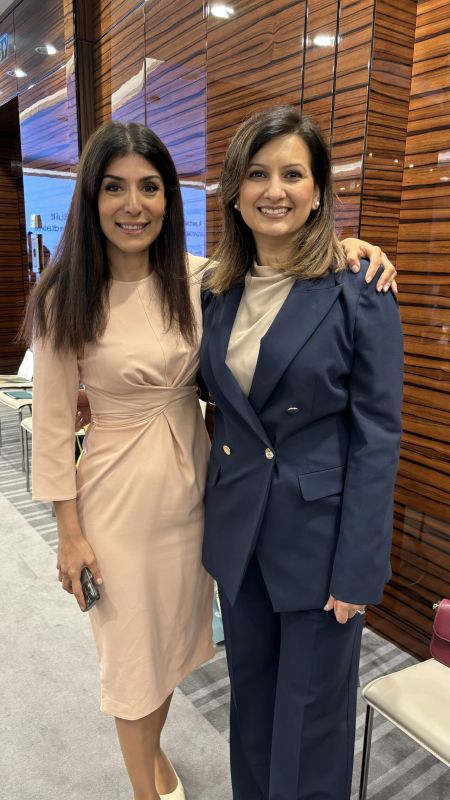
I’m Alida Saleh, Head of Sustainability for the Middle East and Africa at JLL, and I also served as Senior Advisor to the UN High-Level Climate Champions for the Built Environment. My journey in sustainability spans over 20 years, beginning in Canada and the Americas where I held senior leadership positions at Fortune 500 companies before bringing my expertise to the Middle East and Africa region seven years ago.
What led me to focus on sustainability wasn’t a single moment but rather a growing conviction that the built environment holds enormous potential to address the climate crisis while simultaneously delivering financial and social value. I hold a Master’s degree in Sustainability & Environmental Management from Harvard University and am a LEED AP O+M certified professional, which provided me with the technical foundation. But what truly drives me is the belief that we can create a potent combination of financial, environmental, and social returns – that sustainability isn’t a trade-off but an opportunity.
Beyond my professional role, I’m a passionate advocate for a sustainable future. I’m also deeply committed to youth empowerment, dedicating time to mentoring and developing programs to equip young people with the skills and knowledge they need for successful futures. My volunteer work as sustainability lead for a global sports and arts festival in Dubai reflects my belief that sustainability must be woven into every aspect of society. My personal passions – animals, travel, and cultural exploration – fuel my drive to build a better, more sustainable world.
How do sustainability priorities vary across sectors and regions in the Middle East and Africa, and how do you adapt your approach?
The sustainability landscape across the Middle East and Africa is remarkably diverse, requiring a nuanced, systems-based approach to ensure comprehensive and impactful responses to climate challenges.
In terms of regional variations, the UAE and Saudi Arabia are leading with ambitious net-zero commitments and significant investment in green infrastructure, which has enabled me to work on cutting-edge projects such as developing the UAE Sustainable Built Environment Blueprint launched at COP28. Meanwhile, other parts of the region are at different stages of their sustainability journeys, often focusing first on energy efficiency and water conservation due to resource scarcity challenges particular to arid climates.

Sector-specific priorities also vary significantly. In my work spanning mixed-use, residential, hospitality, retail, industrial, entertainment, and office developments, I’ve seen that each has unique drivers. For example, in the hospitality sector, operational efficiency and guest experience intersect with sustainability goals – guests increasingly expect eco-friendly practices without compromising comfort. In industrial and logistics developments, the focus is often on supply chain decarbonization, circular economy principles, and efficient movement of goods. The office sector tends to prioritize tenant attraction and retention through wellness certifications and energy efficiency, while retail focuses on consumer-facing sustainability narratives and waste reduction. Mixed-use developments offer unique opportunities to create integrated sustainability ecosystems where residential, commercial, and public spaces support each other’s environmental goals.
I adapt my approach by always starting with deep stakeholder engagement to understand local context, regulatory frameworks, and business priorities. My work advising energy sector leaders, NGOs, and governments has taught me that sustainable solutions must be tailored to local conditions while aligning with global best practices. This is why I focus on helping clients think through their sustainability strategies holistically – from reporting requirements to certificate achievements like LEED certification, to tangible interventions that reduce carbon footprints.
What sustainability challenges in the built environment need the most urgent action today?
Based on my 15+ years of experience across the region and globally, three challenges stand out as requiring the most urgent action:
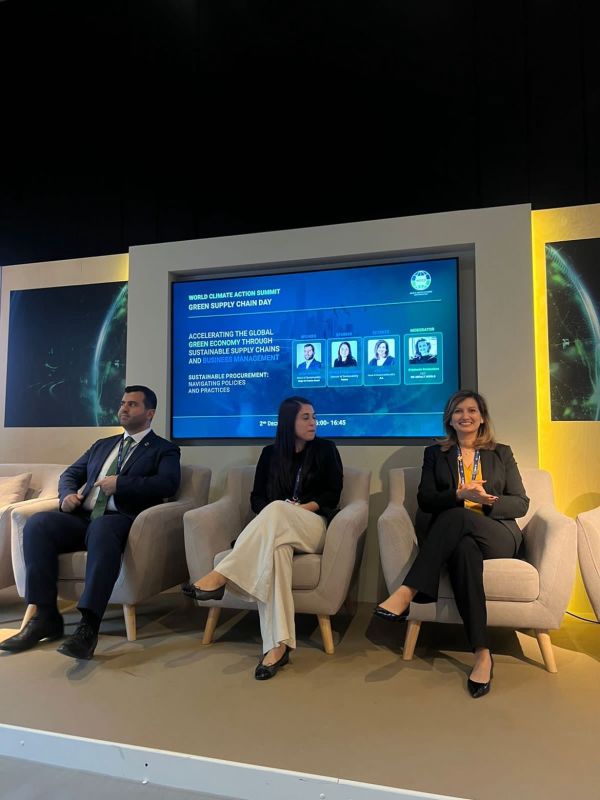
First is the challenge of decarbonizating at scale. The built environment is responsible for nearly 40% of global carbon emissions, and we need to move from pilot projects to systemic transformation. This is why my work co-leading the Buildings Breakthrough initiative, which secured commitments from 29 countries to make near-zero emission and resilient buildings the new normal by 2030, is so critical. We need every building – new and existing – on a credible net-zero pathway. Through my work developing net-zero strategies for major developers across the Middle East, Europe, Africa, and Asia, I’ve seen that the technical solutions exist. What’s needed now is the will to implement them at scale. My projects – from creating ESG Strategies for clients in KSA to the Science-Based Target Development and Net Zero Pathway Report for ICD Brookfield Place in the UAE – demonstrate that comprehensive decarbonization is achievable when we integrate climate considerations into every decision.
Second, climate resilience and adaptation. I witnessed firsthand how vulnerable our built environment is to climate impacts. From extreme heat – particularly relevant in the Middle East where temperatures are rising faster than the global average – to flooding, sea-level rise in coastal cities, and resource scarcity, we must design and retrofit buildings and cities to withstand these challenges.
Third, closing the implementation gap. We have ambitious commitments, but implementation lags dangerously behind. Through my work with the UN Climate Champions, mobilizing non-state actors to accelerate climate action, I’ve learned that we need better mechanisms to translate ambition into action. This is why I focus on practical solutions – from renewable energy finance to sustainable finance mechanisms to city planning solutions that are implementable, not just aspirational. My work co-leading the formation of the UAE and Azerbaijan Sustainable Built Environment roundtables and working groups specifically addresses this challenge by creating platforms where stakeholders can collaborate on implementation. These aren’t just talk shops – they’re action-oriented forums where developers, government entities, financial institutions, and technical experts align on concrete steps, timelines, and accountability mechanisms.
Which Sustainable Development Goal best aligns with your work, and how do you see it delivering real impact?
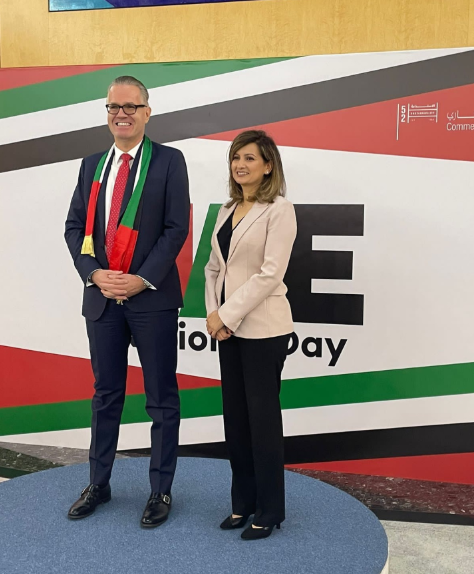 I can relate to all the SDG’s. My current role directly aligns with SDG 11: Sustainable Cities and Communities and SDG 13: Climate Action, though I see them as deeply interconnected with multiple other goals – which is precisely how I approach sustainability, through a systems-based lens.
SDG 11 is at the heart of everything I do because cities and the built environment are where sustainability challenges and solutions converge. Through my work on projects developing smart cities, sustainable infrastructure, and comprehensive urban planning solutions, I’m helping create cities that are inclusive, safe, resilient, and sustainable.
The real impact comes from the systems-based approach I employ. When we design sustainable cities, we’re not just reducing emissions – we’re improving air quality and public health (SDG 3: Good Health and Well-Being), creating green jobs and economic opportunities (SDG 8: Decent Work and Economic Growth), fostering innovation in construction, materials, and technology (SDG 9: Industry, Innovation, and Infrastructure), addressing inequality by ensuring sustainable development benefits all residents (SDG 10: Reduced Inequalities), promoting responsible consumption and circular economy principles (SDG 12: Responsible Consumption and Production), and protecting ecosystems through biodiversity-sensitive design (SDG 15: Life on Land).
SDG 13 is equally central because climate action is existential – it’s the foundation upon which all other sustainable development depends. My work with the High-Level Climate Champions team helped elevate the built environment sector in global climate discussions, giving it the recognition and political attention necessary to drive ambitious action.
What makes me particularly proud is how this work delivers impact at multiple scales simultaneously. At the global level, we’re reshaping climate governance and finance. At the national level, the Blueprints create enabling environments through policy, regulation, and incentives. At the project level, our work on individual developments demonstrates that ambitious goals are achievable today with existing technology and business models.
How do you balance long-term sustainability ambitions with short-term business realities?
The most critical skill in being agile, investing in life-long learning and having a deep understanding of the application of sustainability to its financial viability.
My approach is grounded in demonstrating that sustainability delivers business value in both the short and long term – it’s not a binary choice. Sustainability creates competitive advantage, enhances asset value, reduces operational costs, mitigates risks, and opens new market opportunities. This is what I mean when I talk about delivering a potent combination of financial, environmental, and social returns.
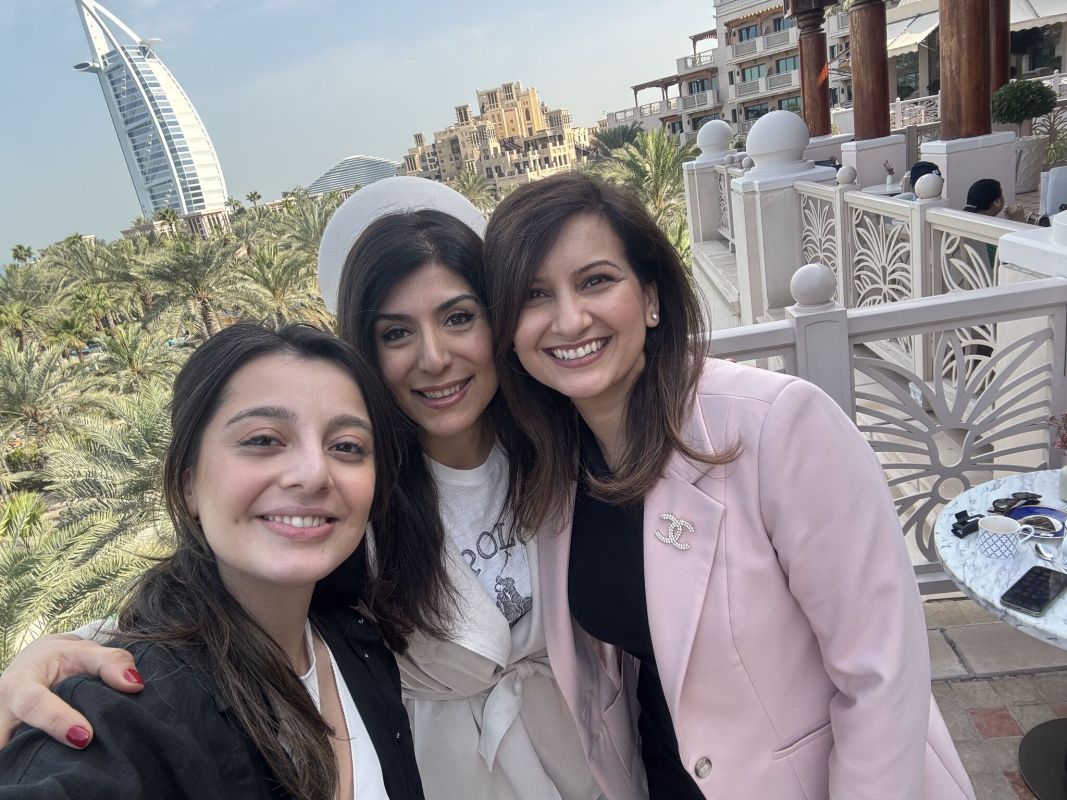
I also help clients understand risk mitigation as a business imperative. Regulatory changes – carbon pricing, building performance standards, and disclosure requirements – threaten to strand assets and increase compliance costs. Physical climate risks – like extreme heat, flooding, and resource scarcity – threaten operational continuity and asset values. Transition risks – like technological disruption and changing consumer preferences – threaten market position. By acting now, companies protect their bottom line and future-proof their business models.
The ability to simplify complex topics and foster stakeholder buy-in is instrumental to translating long-term climate science into near-term business imperatives that resonate with CFOs and CEOs.
I also work to align sustainability with existing business objectives rather than treating it as competing or separate. When developing the ESG strategies for clients in the region we ensure that sustainability goals reinforced, rather than competed with, growth targets, operational excellence goals, and stakeholder satisfaction objectives. For instance, energy efficiency supports cost reduction goals, green certifications support tenant attraction and retention, and sustainability reporting supports investor relations and access to capital.
Can you share one project or initiative that delivered meaningful environmental or social impact?
While I’m proud of many projects in my portfolio, the UAE and Azerbaijan Sustainable Built Environment Blueprints launched at COP28 and COP29 respectively stand out for its transformative potential, meaningful impact, and replicability.
This initiative brought together the government entities, leading developers, financial institutions, and international partners to create a comprehensive roadmap for decarbonizing the country’s built environment. The Blueprint was developed as a mobilization tool that is driving concrete action across the sector and working towards establishing the UAE as a regional leader in sustainable development.
The initiative is working towards accelerating the adoption of renewable energy across the built environment, driving uptake of green building certifications like LEED, Estidama, and WELL, promoting circular economy principles that reduce construction waste and material consumption, advancing climate-resilient design that protects against heat, water scarcity, and other climate impacts, and creating standards for sustainable urban planning that integrate transportation, green space, and resource efficiency.
Social impact is equally important. By creating clear standards and ambitious targets, the Blueprint can drive job creation in green industries – from renewable energy installation to green building certification to sustainability consulting – which is particularly important for youth employment. It promotes indoor environmental quality and health outcomes for building occupants through better ventilation, natural lighting, thermal comfort, and materials selection. It’s ensuring that sustainability benefits are broadly distributed rather than concentrated in premium developments, making sustainable buildings accessible across income levels. And it’s building capacity through training and education programs, equipping the next generation with skills for the green economy – something I’m personally passionate about given my commitment to youth empowerment.
 What makes me most proud is the replicability and scale of this work. Building on the UAE success, I launched the first Climate Pledge for the Built Environment as part of the in Azerbaijan Blueprint for COP29.
This model is now being explored by other countries and regions – demonstrating how local action can inspire global change. Through my role as Senior Advisor to the UN Climate Champions, this work also contributed to the broader Buildings Breakthrough initiative, where 29 countries committed to making near-zero emission and resilient buildings the new normal by 2030. The ripple effects continue to expand.
The Blueprint has also influenced policy and regulation. Governments are using it as a foundation for building codes, energy performance standards, and green finance frameworks. Financial institutions are using it to assess portfolio risks and identify sustainable investment opportunities. Developers are using it to guide project design and communicate sustainability commitments to stakeholders.
On a personal level, this project embodies everything I believe about sustainability: it delivers environmental benefits while creating economic opportunity and social value. It bridges global commitments with local action. It transforms systems rather than just individual projects. And it demonstrates that when we approach sustainability with ambition, collaboration, and persistence, transformative change is possible.
What are the biggest barriers to advancing sustainability, and how do you overcome them?
Through my 15+ years in this field, working across Canada, the Americas, the Middle East, and Africa, I’ve encountered several persistent barriers, and overcoming them requires both strategic thinking and personal resilience.
Barrier 1: Short-term thinking and perceived costs. Many decision-makers see sustainability as expensive, risky, and distant from core business concerns. They focus on quarterly results rather than long-term value creation. The key is to reframe sustainability as value creation and risk mitigation. I show how investments in energy efficiency reduce operational costs immediately, how green certifications increase asset values and occupancy rates, how sustainability attracts high-quality tenants and investors, and how climate resilience protects against physical and regulatory risks.
Barrier 2: Complexity and information overload. Sustainability encompasses so many dimensions – carbon, water, waste, biodiversity, social equity, circular economy, climate resilience – that it can be overwhelming. Clients often don’t know where to start or how to prioritize. The key is to bridge complex concepts with tangible benefits.
Barrier 3: Lack of standardization and data. Measuring and comparing sustainability performance is challenging when methodologies vary across regions, certifications, and reporting frameworks. This makes it hard for clients to benchmark performance, set meaningful targets, and demonstrate progress.
Barrier 4: Siloed thinking and lack of coordination. Sustainability is often treated as the responsibility of a single department – typically facilities or corporate social responsibility – rather than integrated into strategy, operations, finance, and culture across the organization. Similarly, at the sector level, stakeholders operate in silos rather than collaborating on systemic solutions. I overcome this by working across functions and stakeholder groups to create platforms for collaboration.
Barrier 5: Implementation capacity and skills gap. Even when organizations want to pursue sustainability, they often lack the internal capacity, expertise, or systems to implement effectively. This is particularly acute in emerging markets and smaller organizations. The key is to address this through capacity building, mentorship, and developing implementation frameworks.
How do you influence clients, colleagues, or stakeholders to embed sustainability into decision-making?
By simplification. I frame sustainability in terms of business value, risk mitigation, asset value enhancement, operational efficiency, and competitive advantage – concepts that resonate with CFOs and CEOs.
Data is critical. When I show developers that green certifications command between 5-25% rent premiums, or that energy efficiency pays back in three years, sustainability becomes a rational financial decision backed by evidence. I tailor messaging to each audience – emphasizing ESG integration and green capital access with financial institutions, policy enablers with governments, market demand with developers, and cost savings with operators.
What trends or shifts make you optimistic about the future of sustainability and climate action?
Despite the urgency of the climate crisis, I maintain radical optimism about our ability to drive transformative change. Several trends convince me we’re at a genuine tipping point.
Climate commitments have gone mainstream. Regional leadership is emerging in the Middle East, with the UAE’s net-zero commitment and Saudi Arabia’s Vision 2030 demonstrating the region’s transformation from follower to leader.
Youth engagement is exploding – young professionals are demanding sustainability from employers and bringing fresh energy to climate action.
Critically, sustainability is now recognized as driving business value rather than costs – leading companies see it as competitive advantage and value creation.
Cross-sector collaboration through roundtables and working groups is creating unprecedented alignment among governments, developers, and financial institutions.
Most importantly, we’re shifting from incremental improvement to systems transformation – from efficiency gains to net-zero buildings, circular economy models, and climate-positive outcomes. Climate adaptation is being integrated alongside mitigation in all projects. These shifts signal that sustainability is moving from aspiration to standard practice.
What sustainability goal are you personally or professionally focused on next?
I’m concentrating on responsible AI integration and youth green skills training—two areas where early investment yields disproportionate returns. Young people represent our greatest leverage point for sustainability transformation. By building their capabilities now in both technology and environmental stewardship, we’re not just preparing workers; we’re developing the innovators who will unlock solutions we haven’t yet imagined.