

Tell us about yourself
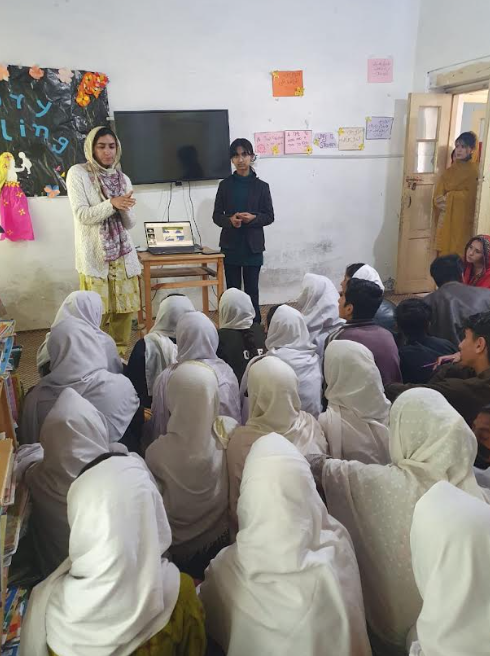
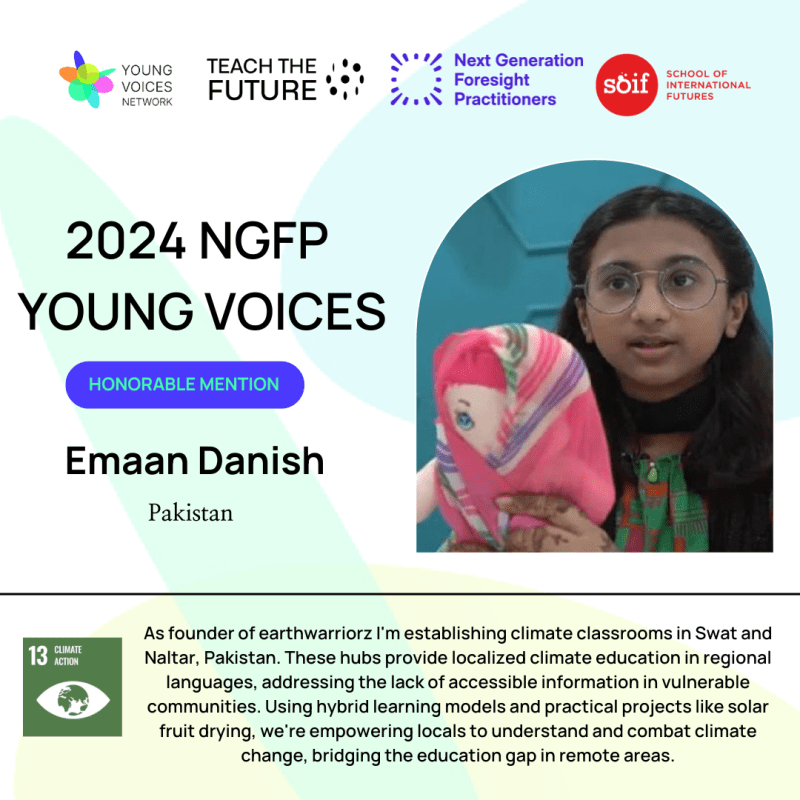
Emaan Danish Khan is the founder of EarthWarriorz.org, a climate education platform impacting over 10,000 children across UAE, Pakistan and beyond. She has led various community initiatives, including climate education camps in Swat and Balochistan, promoting sustainable practices like solar fruit drying. Emaan has spoken at numerous global forums, advocating for climate action and youth empowerment, including her participation in COP events. Her leadership in environmental efforts also extends to organizing plantation drives and promoting the protection of indigenous ecosystems. Emaan’s work continues to inspire young people to take proactive steps towards a sustainable future.
What inspired you to embrace eco-friendly practices and make a shift towards sustainability at such a young age?

I was inspired to embrace eco-friendly practices and shift towards sustainability at the age of 7 after witnessing the devastating impacts of climate change around me. Growing up, I saw the effects firsthand in my village back home in Pakistan—floods, droughts, and other climate-related disasters that were harming both the environment and the livelihoods of the people. Seeing how these changes were affecting our communities, especially the most vulnerable, sparked something in me. I knew I had to take action, no matter how young I was, to make a difference and protect the planet for future generations.
What are the primary steps you take to integrate eco-friendly practices into your lifestyle?
To integrate eco-friendly practices into my lifestyle, I focus on several key steps:

Reducing Waste: I minimize plastic use by carrying reusable bags, bottles, and containers. I also practice recycling and upcycling items whenever possible.
Conserving Energy: At home, I prioritize energy efficiency by using LED lights, switching off devices when not in use, and embracing natural light and ventilation.
Sustainable Diet: I support local farmers and try to reduce my carbon footprint by eating more plant-based meals and reducing food waste.
Tree Planting and Greenery: I actively engage in tree planting campaigns and encourage others to plant indigenous trees, which help combat carbon emissions and support local ecosystems.
Environmental Advocacy: Through my work with EarthWarriorz.org, I raise awareness about climate action, encourage others to adopt sustainable habits, and lead by example in my daily life.
Share some of the most effortless yet impactful eco-friendly changes you’ve made in your daily routine.
Some of the most effortless yet impactful eco-friendly changes I’ve made in my daily routine include:
Reducing Food Waste: By planning meals and properly storing leftovers, I’ve managed to cut down on food waste, which also helps reduce my carbon footprint. These small, everyday choices create a meaningful impact over time.
Using Reusable Items: Switching to reusable water bottles, shopping bags, and containers has significantly reduced my plastic consumption. It’s a small habit but cuts down on single-use plastics.
Saving Water: Simple habits like turning off the tap while brushing my teeth or fixing leaky faucets have helped conserve water, an essential resource.
Switching to Energy-Efficient Lighting: Replacing regular bulbs with LED lights has made a big difference in reducing energy consumption with minimal effort.
Mindful Transportation: Walking or cycling whenever possible, instead of using cars for short trips, not only reduces carbon emissions but also promotes a healthier lifestyle.
What difficulties have you encountered while striving to live in an environmentally conscious manner?
One of the main difficulties I’ve encountered while striving to live in an environmentally conscious manner is the lack of accessible eco-friendly alternatives. Whether it’s sustainable products or packaging, these options can often be hard to find or more expensive, especially in certain areas.
Another challenge is raising awareness among others. Not everyone in my community or circle immediately understands the importance of sustainability, and it can be tough to inspire change when people are set in their habits.
I’ve also faced inconveniences in daily life, like reducing plastic use in a world where so many items are wrapped in plastic or finding places to recycle efficiently.
Finally, staying consistent in these practices is challenging at times, especially when life gets busy. Balancing eco-conscious living with everyday routines requires constant effort and mindfulness.

Describe a rewarding moment on your sustainability journey
Everyday is rewarding when I see earthwarriorz flourishing, I have received several awards for my climate educaion portal and seeing community benefiting from this really helps.
What are some misconceptions about being eco-friendly that you’d like to debunk?
Here are a few common misconceptions about being eco-friendly that I’d like to debunk:
- “Eco-friendly living is expensive.” While some sustainable products can be costly, many eco-friendly practices actually save money—like reducing energy use, reusing items, and minimizing waste. Many sustainable habits, such as walking or biking instead of driving, can be both cost-effective and healthier.
- “You need to be perfect to make a difference.” Many people think they have to change everything at once, but even small steps, like using a reusable water bottle or reducing plastic waste, can collectively make a big impact. Sustainability is a journey, not a competition for perfection.
- “Eco-friendly products aren’t effective.” People often believe that eco-friendly alternatives, like natural cleaners or sustainable fabrics, are less effective than their conventional counterparts. However, many sustainable products perform just as well and, in some cases, even better—without harming the environment.
- “Going green requires huge lifestyle changes.” In reality, adopting simple practices, like turning off lights, conserving water, and recycling, can be seamless adjustments that anyone can integrate into daily life.
How do you plan on continuing your sustainability journey? What other aspects do you plan to change?
I will continue working on eartthwarriorz and will be expanding it into new markets
Lastly, how do you think we can ensure that eco-friendly options and choices are available and attainable for a diverse range of individuals?
To make eco-friendly options accessible for everyone, we need a mix of policy, education, and community initiatives that support affordability and awareness.

Community Initiatives and Sharing Programs: Community-based efforts, like swap events, repair cafes, and shared resources (such as community gardens), make sustainable living accessible without high costs. Creating community spaces where people can learn about and practice sustainability together builds a strong, supportive network and shows that eco-friendly options can fit a range of lifestyles.
Government and Business Support: Subsidies, incentives, and regulations encouraging companies to produce sustainable products can help lower costs, making eco-friendly items more affordable. Governments can also prioritize funding for public resources, like recycling facilities, and increase support for local businesses offering sustainable alternatives.
Education and Awareness: Informing people about eco-friendly options through schools, community programs, and social media helps build demand, which can drive prices down over time. Education campaigns can also share simple, low-cost ways to adopt sustainability, showing that eco-friendly living doesn’t have to be expensive or difficult.