


1. How does UmbraCity incorporate circular economy principles into its operations?
UmbraCity is a smart umbrella-sharing service that supports the circular economy by replacing single-use umbrellas with a high-quality, shared alternative. Each umbrella is designed for durability and used hundreds of times across its lifecycle, reducing unnecessary landfill waste. But beyond that, our service improves urban livability. By providing protection from intense weather, sun or rain, especially in hot cities like Dubai, we make walking a more realistic and comfortable choice—supporting Dubai’s masterplan to boost walkability and lower emissions. Its sustainability not just in materials, but in how people move.
2. Can you walk us through your product or service lifecycle and the steps you take to reduce waste?
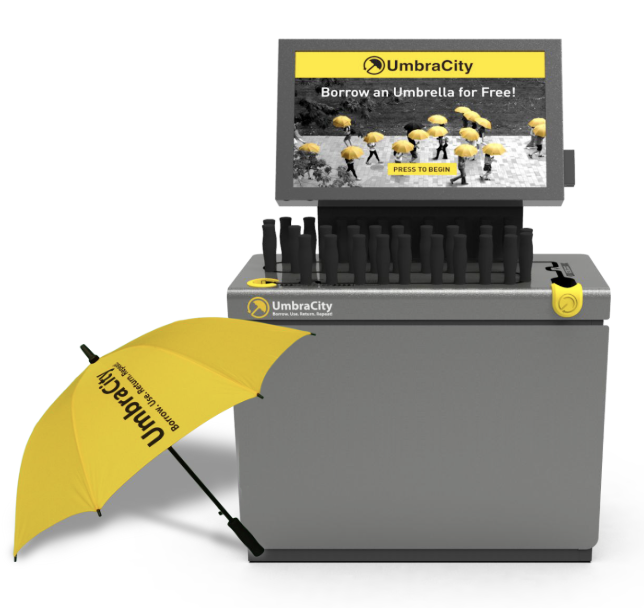
From design to deployment, our umbrellas are built to last and stay in circulation through a network of smart kiosks. When an umbrella is returned, it’s inspected, repaired if needed, and placed back into the system. Once it reaches the end of its usable life, we recycle or upcycle components responsibly.
The bigger picture, though, is how this service fits into the everyday lives of people in walkable spaces—on campuses, in business districts, and around metro hubs. By helping more people walk short distances comfortably, we reduce reliance on cars and foster greener cities in a very practical way.

3. What innovative sustainability practices have you adopted that set your brand apart in your industry?
UmbraCity takes something mundane—a weather accessory—and turns it into infrastructure that supports smart, human-centered cities. Our kiosks use technology to optimize usage, reduce unnecessary logistics, and ensure the umbrellas are available when and where people need them.
This innovation isn’t just about tech—it’s about making climate-conscious choices easier for the public. And as our kiosks become part of the urban landscape, they also offer a space for brands to participate in this mission—not through static ads, but by enabling a useful, eco-forward service that people engage with meaningfully.
4. How do you track and evaluate the environmental impact of your business beyond compliance?
We track our umbrella’s usage history, monitor use and return rates, but impact for us goes beyond product use—it’s about behavioral change. Every time someone grabs an umbrella and walks instead of driving, that’s a measurable shift in how people experience the city.
Our presence in places like Dubai supports the city’s broader sustainability vision by encouraging pedestrian movement and reducing short car trips. These are small changes that add up to a larger cultural shift—and they happen quietly, through thoughtful design.
5. What are your thoughts on the costs of sustainable products or services – how do you balance affordability and impact?
We’ve built UmbraCity on the idea that sustainable services can be efficient and accessible. By sharing rather than selling, we lower costs for users and reduce overall material consumption. Our model is lean, scalable, and service-oriented.
And because we integrate so smoothly into the urban experience, we also provide a way for organizations and mission-aligned brands to be part of that experience—contributing to city life in a way that’s authentic and functional.
6. How do you educate your customers or clients about the importance of adopting sustainable habits?
We believe the best education is through experience. When someone steps out into the sun or rain and instinctively uses one of our umbrellas, they’re already making a smarter, more sustainable choice. That moment becomes a quiet shift toward low-impact living.
In places like Dubai, where weather can limit walkability, making the outdoors feel more accessible helps foster a culture of intentional mobility. It’s a small, everyday habit that aligns with the city’s goals—and that’s where long-term change begins.

7. Can you share a recent initiative or achievement that exemplifies your commitment to environmental stewardship?
When we piloted our kiosk at one metro station in Dubai, we saw a measurable uptick in customer happiness with the RTA, in pedestrian movement around key walkways and public transit zones. By simply offering protection from the sun, we enabled more people to walk comfortably—even in peak heat—reducing short car rides and supporting healthier urban flow.
It’s a reminder that sustainability isn’t always about sweeping changes—it’s often about enabling better choices in the moment. And when brands or partners support those choices, they become part of something bigger than just a message—they become part of the movement.

8. What advice would you give to businesses trying to implement sustainable practices without compromising quality or profitability?
Start with services that solve real problems for people and the environment. Whether it’s mobility, comfort, or resource use—sustainability works best when it’s woven into daily life. And when done right, it adds long-term value to your brand, your operations, and your customers’ lives.
We’ve seen that when businesses support smart infrastructure—like UmbraCity—they don’t just align with sustainability goals; they help shape more livable, walkable, and future-ready cities.