

As we celebrate Earth Day this April, it’s the perfect time to revisit our understanding of environmental action. In our collective efforts to combat climate change and environmental degradation, some commonly held beliefs about sustainability may actually be misleading us. This blog aims to separate environmental fact from fiction, helping you make truly impactful choices for our planet.
Myth #1: Recycling Solves Our Plastic Problem
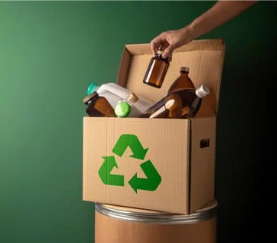
The Myth: Many believe that conscientious recycling is the solution to plastic pollution.
The Reality: While recycling is important, the global plastic recycling rate remains stagnant at less than 10% with most new plastic still made from fossil fuels, according to a 2023 study by researchers from Tsinghua University published in the journal Communications Earth & Environment. The researchers noted this presents a “pressing global environmental challenge.” Even in developed nations with robust recycling infrastructure, many plastics end up in landfills or incinerators due to contamination, mixed materials, or economic constraints.
What Actually Helps: Reducing plastic consumption at the source has a far greater impact than focusing solely on recycling. A comprehensive approach that combines reduced production with improved waste management could significantly decrease plastic pollution entering our environment.
Action Step: Prioritize reusable items and refuse single-use plastics whenever possible. When evaluating products, consider the entire lifecycle including production impacts and end-of-life scenarios rather than just whether something is technically recyclable.
Myth #2: Electric Vehicles Are Always Greener

The Myth: Electric vehicles (EVs) are automatically better for the environment than conventional cars.
The Reality: While EVs typically produce fewer emissions over their lifetime, the manufacturing process particularly battery production can generate significant carbon emissions. Additionally, if the electricity powering an EV comes from fossil fuels, the environmental benefits are reduced.
What Actually Helps: In the UAE, natural gas and oil still accounts for the majority of electricity generation, but this is rapidly changing. The Dubai Clean Energy Strategy 2050 aims for 75% clean energy by 2050, which will make EVs significantly greener..
Action Step: If possible, combine EV ownership with renewable electricity. More importantly, consider whether car ownership is necessary at all public transportation, cycling, and walking often have lower environmental impacts.
Myth #3: “Eat Local” Is the Most Important Food Choice for the Environment
The Myth: Many environmentally conscious consumers believe that buying locally produced food is the most significant way to reduce their dietary carbon footprint.
The Reality: While eating local does reduce transportation emissions, the research shows that what you eat matters far more than where it comes from. According to comprehensive studies, transportation typically accounts for less than 10% of food’s total carbon footprint, and for high-emission foods like beef, it’s less than 1%. The production phase particularly land use, farming practices, and methane emissions from livestock is responsible for the vast majority of food-related greenhouse gases.
What Actually Helps: Reducing consumption of animal products, especially beef and lamb, has a much greater environmental impact than focusing solely on food miles. The data shows beef produces approximately 99 kg of CO2e per kilogram roughly 30 times more than plant-based proteins like tofu (3.2 kg CO2e). Even switching from beef to chicken can reduce emissions by a factor of 10.
Action Step: Consider adopting a flexitarian approach by replacing beef and lamb with lower-impact proteins several times a week. Replacing beef with plant-based alternatives just one day weekly can reduce your food-related emissions more than eating entirely local food would. The IPCC analysis shows that plant-forward diets could potentially save up to 8 billion tonnes of CO2-equivalents annually by 2050.
One important exception: Be cautious about air-freighted foods (like out-of-season asparagus, green beans, and berries), as air transport emits 50 times more CO2 per kilometer than sea transport.
Myth #4: Paper Products Are Always Better Than Plastic

The Myth: Paper bags, straws, and packaging are environmentally superior alternatives to plastic.
The Reality: Paper production is resource-intensive, requiring significant water and energy inputs. Studies have found that a paper bag needs to be reused 43 times to have a lower environmental impact than a single-use plastic bag when considering all environmental indicators.
What Actually Helps: Reusable options almost always have lower environmental impacts than either paper or plastic single-use alternatives, provided they’re used multiple times.
Action Step: Invest in high-quality reusable items bags, bottles, containers, and utensils and make a habit of carrying them. The key is consistent reuse over time.
Myth #5: Individual Actions Don’t Make a Difference
The Myth: Individual lifestyle changes are insignificant compared to the need for systemic change and corporate accountability.
The Reality: While systemic change is indeed crucial, individual actions collectively drive market demand and cultural shifts. The per capita waste generated in the UAE stands at about 1.8 kg/day on average which is much higher than the global average.
What Actually Helps: A balanced approach that combines personal lifestyle changes with civic engagement and advocacy for systemic change is most effective.
Action Step: Make sustainable personal choices while also engaging in collective action contact elected representatives, support environmental organizations, and use your consumer and voting power to demand corporate and policy changes.
Myth #6: Planting Trees is the Ultimate Climate Solution
The Myth: Mass tree planting can solve climate change.
The Reality: While trees absorb carbon dioxide, reforestation and afforestation alone cannot offset current emission levels. According to the Global Carbon Budget, fossil fuel emissions reached a record high of 36.8 billion tonnes of CO₂ in 2023. Given that an average tree absorbs approximately 22 kg of CO₂ annually, offsetting these emissions would require planting around 1.8 trillion trees, nearly double the estimated 1 trillion trees currently existing on Earth.
What Actually Helps: Protecting existing forests offers more immediate climate benefits than planting new trees. Preserving mature forests with large trees and allowing more forests to mature is crucial for preventing carbon emissions and for continued accumulation of carbon from the atmosphere in the coming decades.
Action Step: Support conservation efforts for existing forests while also advocating for reduced fossil fuel use. When supporting tree-planting initiatives, research their ecological approach, diverse native species appropriate to local ecosystems provide the greatest benefits.
Myth #7: “The Damage Is Done; It’s Too Late to Make a Difference”
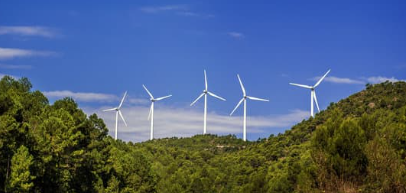
The Myth: Many people believe that climate change and environmental degradation have progressed beyond the point of no return, making individual and collective efforts futile.
The Reality: While certain climate impacts are now unavoidable due to historical emissions, research demonstrates that immediate action can still prevent the most catastrophic scenarios. The latest IPCC report confirms that every fraction of a degree of warming prevented translates to measurable reductions in extreme weather events, ecosystem loss, and human suffering.
What Actually Helps: Recent climate science shows that rapidly reducing emissions could slow the rate of warming within just a few years. For example, the global shift to renewable energy is already having a measurable impact. In 2023, renewable capacity grew by 50% worldwide, the fastest rate in two decades.
Action Step: Focus on high-impact changes in both personal choices and advocacy for systemic reform. As demonstrated in the food emissions section, even small changes like switching from beef to plant-based alternatives one day weekly can make a significant difference. Remember that the difference between taking action and giving up isn’t between no harm and total harm, it’s between challenging but manageable climate impacts versus truly catastrophic ones.
This Earth Day, let’s pledge to move beyond eco-myths and embrace evidence-based environmental action. What surprising fact from this article changed your perspective?