


1. How does eJaby incorporate circular economy principles into its operations?
eJaby embraces circular economy principles by reducing inefficiencies in the supply chain. The platform connects customers directly with suppliers to sell premium-quality overstock products that might otherwise go to waste due to factors like shelf life. This model ensures that perfectly good products are consumed instead of discarded, minimizing environmental impact.
2. Can you walk us through your product or service lifecycle and the steps you take to reduce waste?
eJaby works with suppliers to identify overstock items, including food, beverages, and non-food products. These items, often approaching their best-before dates but still of high quality, are listed on the platform at competitive prices. By making these products accessible to consumers, eJaby prevents unnecessary waste, promotes responsible consumption, and ensures that valuable resources are not discarded prematurely, eJaby deliver to the customers across all UAE.
3. What innovative sustainability practices have you adopted that set your brand apart in your industry?
eJaby’s approach is unique in the region because it turns surplus inventory into a business opportunity while addressing the pressing issue of food and product waste. By offering high-quality overstock products at great value, the platform benefits consumers, suppliers, and the environment simultaneously. This triple-win model distinguishes eJaby from conventional e-commerce platforms.
4. How do you track and evaluate the environmental impact of your business beyond compliance?
eJaby measures its impact by tracking the amount of overstock inventory saved from disposal. With food waste in the region reaching $23 billion annually, eJaby plays a role in reducing this staggering figure by making surplus products available to consumers. The platform’s impact is further recognized by its inclusion in the UAE’s Future 100 enterprises, which highlights its contribution to the country’s sustainable economic future.
5. What are your thoughts on the costs of sustainable products or services—how do you balance affordability and impact?
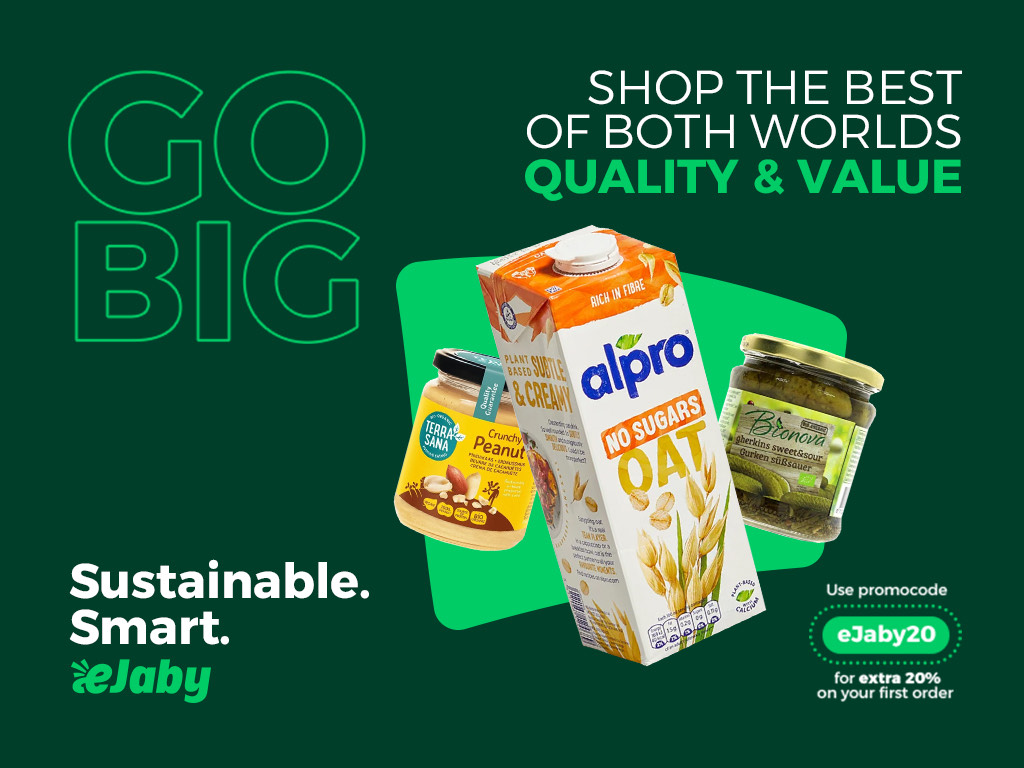
eJaby makes sustainable shopping affordable by offering premium products at exceptional value. Unlike some sustainability-focused brands that charge a premium, eJaby ensures that sustainability and affordability go hand in hand. Consumers benefit from lower prices while contributing to a more sustainable future.
6. How do you educate your customers or clients about the importance of adopting sustainable habits?
eJaby promotes the concept of “positive shopping” by making sustainability an easy and rewarding choice for customers. Through its platform, communications, and social media presence, eJaby encourages consumers to embrace responsible consumption while enjoying high-quality products at great value.
7. Can you share a recent initiative or achievement that exemplifies your commitment to environmental stewardship?
eJaby was recently recognized as one of the Future 100 enterprises in the UAE, an initiative by the Ministry of Economy highlighting businesses contributing to the country’s economic and sustainable future. This recognition reflects eJaby’s success in reducing waste and promoting responsible consumption.we in eJaby launched many campaigns like a recent one called GreenWin and all our campaigns focusing on increasing awareness and encouraging sustainable living.
8. What advice would you give to businesses trying to implement sustainable practices without compromising quality or profitability?
eJaby’s success demonstrates that sustainability and profitability can go hand in hand. Businesses should look for ways to turn sustainability challenges into opportunities—such as repurposing surplus inventory instead of discarding it. By aligning business models with environmental impact, companies can create value for customers, suppliers, and the planet.