

Tell us about yourself
I am an eco-enthusiast and social entrepreneur who founded The Eco Loop. This social initiative is to help people with
research-based information on sustainable living. I am a content creator and host of The Eco Sheroes Podcast. On this podcast, I share my research and the swaps I made and chat with amazing, self-motivated women who are making a significant impact with their simple, eco-friendly practices and creating sustainable solutions. I was born and raised in India, and I studied civil engineering. Before taking on the ecopreneur role, I was a structural design engineer for 12 years. During those 12 years, I experienced a range of health issues, including anxiety and depression. It wasn’t until I started eating healthy, natural foods and spending more time outdoors that I could heal completely and fall in love with nature. I was drawn to studying for a green building certification because of my love for nature. This certification exposed me to environmental problems and how they impact humanity. After completing the certification program, I founded The Eco Loop instead of pursuing a job in green buildings.
Through this initiative, I have helped hundreds of individuals transition to an eco-friendly lifestyle. I am passionate about helping people make small changes that can benefit their health and make a big difference in the environment.
What inspired you to embrace eco-friendly practices and make a shift towards sustainability?
As I was studying for my credential in green buildings, I became aware of the urgent need to protect our environment and change our approach to waste management. In the context of building design, there was a strong emphasis on reusing materials wherever possible and selecting non-toxic materials with minimal environmental impact throughout their lifecycle. To create a truly sustainable system, all waste must be treated as a valuable resource, just as it occurs in nature. In nature, everything is interconnected, and nothing is wasted; waste from one organism becomes a valuable resource for another. I learned that the materials we consume, the amount we use, where we purchase them, and how we dispose of them all significantly impact the health of our ecosystem.

This realization made me understand that these principles are not limited to building design; unless we apply them to our
everyday lives, even the greenest building will not be truly sustainable. As I delved deeper into an environmental topic beyond the scope of green buildings, I became aware of the damage that single-use plastic items were causing to our ecosystem and health. This research led me to a book called “Life without Plastic,” which opened my eyes to the extent of our ignorance about the harm we were causing to ourselves, others, and our environment. I felt guilty about my own lifestyle and habits. I realized that even though I loved nature, I unknowingly contributed to its destruction. I decided to take action and began auditing my home, especially for single-use plastic. I found that my home was overflowing with single-use plastic bags from grocery and shopping trips. I habitually stored everything to reuse someday, probably due to my Indian upbringing. Therefore, my first step was to stop accepting single-use plastic bags at supermarkets.
What are the primary steps you take to integrate eco-friendly practices into your lifestyle?

So, to start, I researched an alternative to these plastic bags and found organic cotton bags online. I bought them and started using them. I started carrying these bags with a big tote, which I had at home each time I went for groceries. It was not very easy, and I forgot my bags many times. Then, I kept them in the car in case I forgot to carry them. Then, gradually, I kept a few bags in all my handbags, so I didn’t have to remember, which worked like a charm. I included one habit at a time.

I had plastic disposable plates and cutlery for when guests came. I stopped using them and started using my reusables. Next, I switched to carrying my water bottle each time I stepped out, followed by carrying my cutlery, especially when dining in food courts.
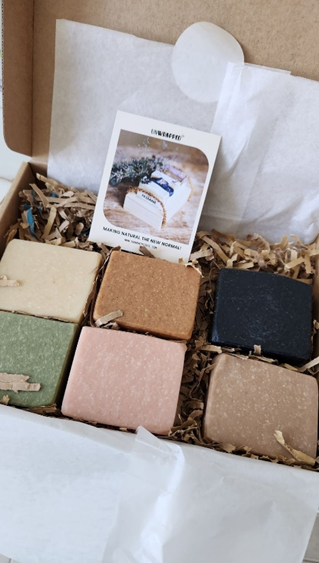
I switched to a natural bar soap. Initially, it felt weird as I was used to the commercial shower gels. But I started loving it in a month, and then there was no looking back. I have not waxed my body for four years now. I opted for a razor; it works great and is quick and pain-free!
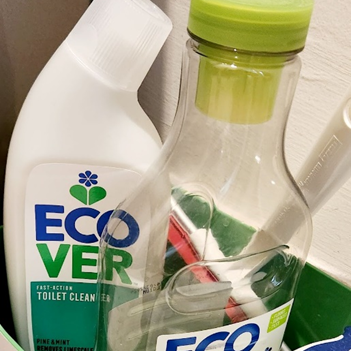
I started using eco-friendly laundry detergent and cleaning supplies. I don’t have any more allergies from using dishwashing liquids now! I also started using coconut coir scrubs to clean vessels and switched to a natural loofah, which works better as it does not leave fibres back while washing.
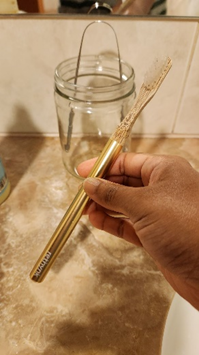
I don’t use the dishwasher as mine is not energy-efficient or water-efficient. It is a very old model that we got in our rented apartment. Then I started using a bamboo toothbrush, which was simple initially, but there were some practical issues, such as catching fungus on the handle due to moisture. But I managed.
Recently, I have started using the Rethynk toothbrush, which comes with a detachable aluminum handle, and I love it!

When I had to buy a new comb, I chose a neem wood comb instead of a plastic one. It is good for your scalp and hair and is plastic-free.
Stopped using plastic for food storage. Installed a water filter so no more water from plastic bottles came into the house. As a few years advanced, buying groceries with plastic-free packaging was available. When I need to order online, I always choose this option.

When it comes to clothes, I started buying only natural fabrics. I adopted a minimalist lifestyle, so I buy anything, even for the house, only if needed. I have indoor plants as accessories in my home, and I no longer buy home decor. This has made life so peaceful. I opted for secondhand furniture when I needed to buy a table for my work. I found a very good quality solid teak wood table at a very low price 🙂
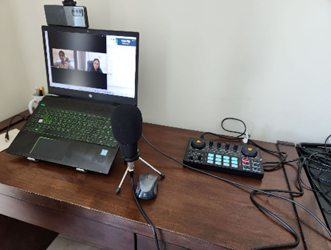
Using a secondhand laptop which has a very good configuration. it saved me a lot of money. I started using less paper and reusing my old printed office documents if needed. I also started using metal and recycled paper pens when all the plastic pens I had got worn out.
I buy organic food as much as possible. I am a vegetarian and have very minimal dairy products. I always collected my dry waste from the beginning and dropped it in recycling bins in my community.

I am a vegetarian and have very minimal dairy products. I always collected my dry waste from the beginning and dropped it in recycling bins in my community.
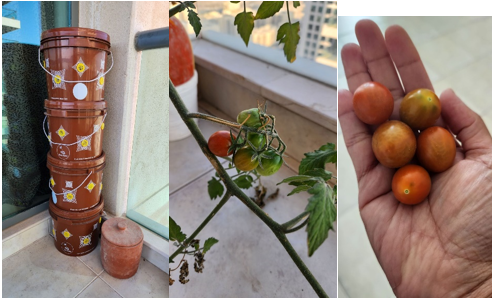
But recycling food waste that is composting started a little late…I was skeptical about worms and smell, but to my surprise, aerobic composting is completely free from smell and easy to compost even in my balcony corner. I was overjoyed to have my first harvest of cherry tomatoes that sprouted out of my compost soil 🙂
There are so many more things that I might have missed. Still, the key was to always question me before buying or using anything about what was used in its production, how it will affect me and my surroundings, and when I need to discard it, whether it is recyclable or compostable. These questions made it easy for me to embrace a sustainable, eco-friendly lifestyle one step at a time!
Share some of the most effortless yet impactful eco-friendly changes you’ve made in your daily routine.
The most effortless yet impactful switch, I think, for me was switching to eco-friendly cleaning liquids and scrubs. It was pretty simple, and thankfully, my help cooperated well, too!
The Organic store that provides a refill option for these liquids is just 10 minutes from my house, so it was very convenient. Now, thankfully, there are many eco-friendly options available in the market! The next effortless thing was using a reusable razor instead of waxing. It was a big relief and saved me time, money, and energy 🙂
Using eco-friendly cleaners has saved me from rashes on my hands and does not pollute our waterways. After a little practice, carrying my own bags and water bottle has become second nature and does not take any effort for me 🙂 This simple habit has significantly reduced the amount of plastic entering my house.
What difficulties have you encountered while striving to live in an environmentally conscious manner?

There were different difficulties at different stages of how I evolved in my journey to live sustainably. As I mentioned above, Initially, it was difficult to remember carrying my bags and bottles.
Then, it took some time to get used to using a natural handmade bar soap for bathing. When using the coconut coir scrubs for cleaning, they started clogging my kitchen sink every 15 to 20 days, which made it difficult to use. Thankfully, the simple natural loofah in its raw form works great and has not had any clogging issues since switching to them.
When composting initially, while I was still getting used to the system and procedure, I encountered some difficulties with fruit flies due to fewer browns in the compost. Still, within a week, it was all sorted, and now the procedure is easy with no trouble.
Using local transport more than my car is a challenge. However, I don’t use my car often except for my son’s school drop-off and pick-up. For that, too, we have carpooling with his friend’s parents, so a few cars are used daily.
When it comes to my son’s and husband’s clothing, there are not many natural fabric options available, and I cannot control their needs, so they buy synthetic-mix clothes.
When I need something urgently, if I order from some nearby supermarkets on Instashop, unfortunately, it gets delivered in plastic bags from certain supermarkets. Hopefully, the plastic bag ban enforced with a fine from July should address that problem.
My family is on the same page with me in most matters, but I have no control over their choices in some things. So I hope it will happen with time. For example, my husband and son are uncomfortable with bamboo brushes and still use plastic toothbrushes.
I have extremely sensitive teeth, so I have to use the medicated sensitive toothpaste prescribed by the doctor, which comes in plastic tubes. When ordering food, I try to choose restaurants that pack food in eco-friendly packaging, but sometimes it ends up in plastic. I make sure I clean and recycle it.
Describe a rewarding moment on your sustainability journey
The most rewarding moment in my journey was when I got selected to be a Verified Champion as part of the Verified for Climate initiative, a joint program of the United Nations and Purpose. The initiative is designed to empower content creators to play an active role in communicating climate solutions, which include combatting climate mis and disinformation.
What are some misconceptions about being eco-friendly that you’d like to debunk?
Living an eco-friendly life is often thought to be impractical and difficult, as well as expensive. However, the truth is quite the opposite. Adopting sustainable habits can lead to a healthier and simpler life.
By making sustainable choices, you can directly and indirectly reduce harmful toxins in your home and environment. This leads to a healthier lifestyle and fewer medical bills. Additionally, living an eco-minimalist life can bring peace and financial savings.
Eco-friendly living emphasizes reusing, which instantly reduces consumption patterns and leads to significant savings. This approach can bring you financial stability and freedom much sooner!
How do you plan on continuing your sustainability journey? What other aspects do you plan to change?
I have adopted an eco-friendly lifestyle, and it has become a way of life for me. I can never return to my old, wasteful ways. However, there is still more that I can do to become completely eco-friendly.
One of my goals is to learn gardening and start growing my own fruits and vegetables. I am excited to see what I can grow! Recently, I harvested my first batch of cherry tomatoes that sprouted by themselves from my homemade compost soil. I was overjoyed with this gift from nature, even though I had no prior gardening knowledge.
I have never bought second-hand clothing or rented clothes before, but I am willing to try these options next time I need to buy some clothes.
Lastly, how do you think we can ensure that eco-friendly options and choices are available and attainable for a diverse range of individuals?
Firstly, it is important for eco-friendliness to become the new normal. Supermarkets and stores should provide readily available eco-friendly options, and it’s great to see that a few select stores already have such options.
Tax rebates and policies can encourage ecopreneurs to create sustainable alternatives priced competitively with commercial products so that consumers can try eco-friendly options! There must be more refill options in stores for organic food and eco-friendly cleaning supplies.
I am pleased that more locally-made, eco-friendly product stores are popping up. However, these stores must be highlighted and promoted more to increase their visibility. It is also essential to address greenwashing and protect consumers by creating more awareness through print media and government initiatives.