


Tell us about Reloop. The inspiration behind the creation of Reloop and its mission?
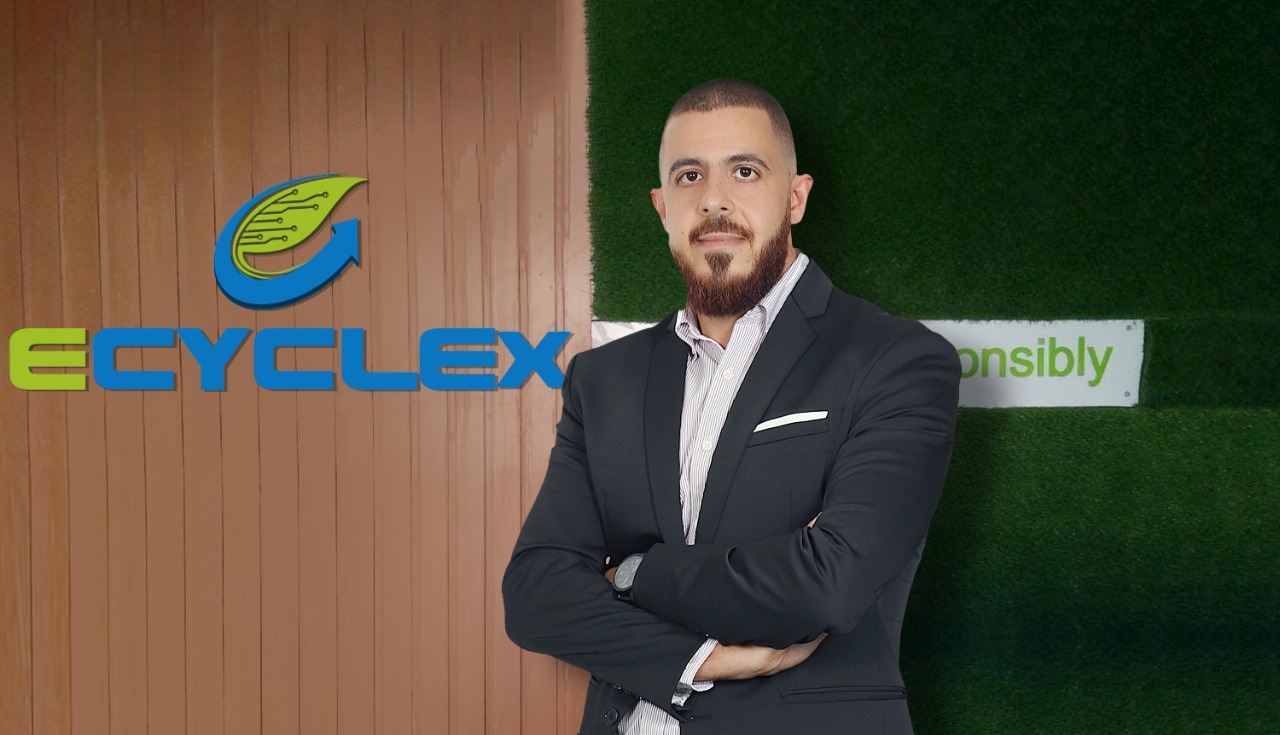
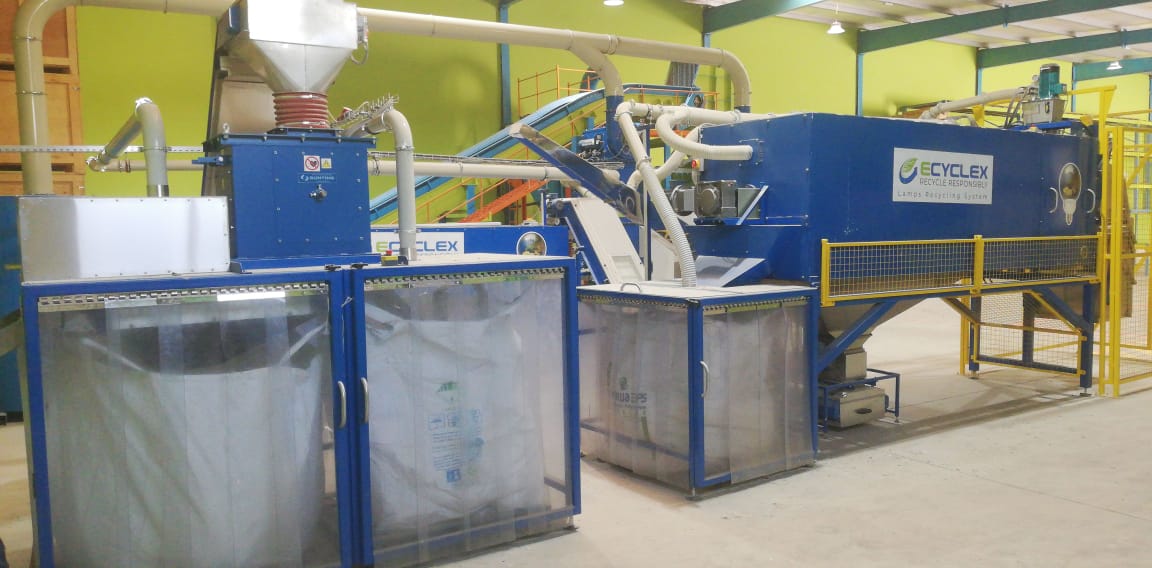
ReLoop’s idea started in 2017 when we felt there is no accessibility to individuals to be part of recycling in UAE. We have noticed many people drive for 20-30minutes to drop their recyclables at our recycling facilities of Ecyclex, and we really were inspired by their enthusiasm and eagerness to do the right thing, especially that in UAE they are not forced by regulations to segregate and recycle their waste yet.
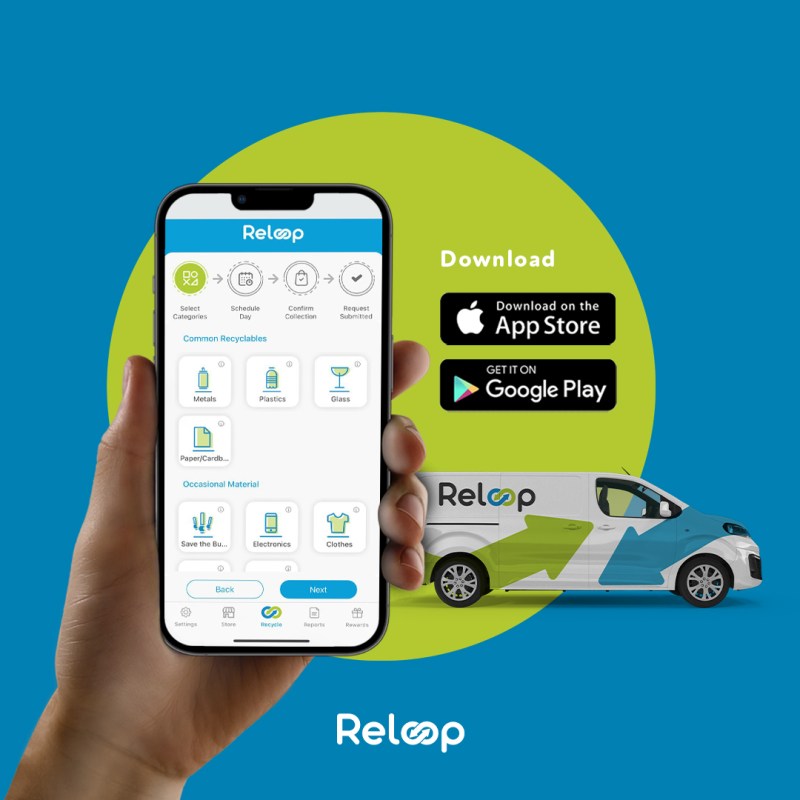
Hence we wanted to bring a solution that is as easy as ordering food through an app, and ReLoop’s idea was born and brought to reality in 2021 after a few years of development, R&D and testing.
What impact is Reloop trying to make?
ReLoop aims to bring a total shift in waste management and recycling and bring efficiency through digitalization, and give accessibility to any single individual to be part of UAE’s recycling and circular economy ecosystem. We want to make recycling second nature, and as easy as ordering food, groceries, or rides on other apps.
What are the positive impacts Reloop has already made?
ReLoop has already gave ease of access to recycling thousands of households in Dubai, Abu Dhabi, and Sharjah. We have digitalized and standardized recycling in key business sectors that have been facing challenges in recycling, like hospitality, offices and events. Users of ReLoop can recycle more than 12 categories from dry recyclables, e-waste, fabrics, organics and so forth
Can you share some future plans or initiatives that Reloop has in store to enhance its impact?
- ReLoop aims to become a zero-waste to landfill solution by adding more categories. We expect in 2024 to pilot the first of its kind zero waste concept for some industries. Stay-tuned!
- Throughout our initiative of Donate Your Own Device, we have so far covered more than 40,000 electronic items supporting children lacking access to education (www.donateyourowndevice.org) and we aim to double this number in the coming year.
- Throughout our initiative of zero-food waste to landfill, we have diverted more than 1,000,000 kilograms of food waste from landfills into nutritious compost and aiming to support more than 50 local farmers in growing local fruits and vegetables.
Finally, what advice would you give to other businesses and brands looking to become more sustainable and socially responsible in their operations?
On the short term, embedding sustainability is challenging and sometimes more costly. Keep your thinking long-term, and in embedding not only managing materials sustainably, but also managing your business processes sustainably to become a more efficient business. Sustainability is not only about protecting the environment, but it is also about ensuring everything we do as a business is efficient, cutting use of resources, time, transport etc… which all save costs, and eventually anyway directly or indirectly, this also helps our environment.