


What inspired the creation of Liquid of Life, and how has that vision shaped your long term sustainability mission?
Liquid of Life was founded long before we became involved, but what inspired us to acquire it about a year ago was the same thing that inspired its creation in the first place: trust. In a region where people are understandably cautious about drinking tap water, Liquid of Life had spent over 17 years quietly building credibility by doing things properly: focusing on quality, safety, and long-term relationships rather than quick wins.
That legacy is what shapes our sustainability mission today. We didn’t buy Liquid of Life to reinvent it, but to amplify what it already stood for. Sustainability, for us, isn’t about loud claims; it’s about removing the need for single-use plastic bottles by giving people water they genuinely trust to drink every day. The vision has always been simple: if people trust their water, they stop buying bottles. Everything we do builds from that belief.
How does your business model successfully balance environmental impact with commercial viability, particularly in reducing single-use plastics?
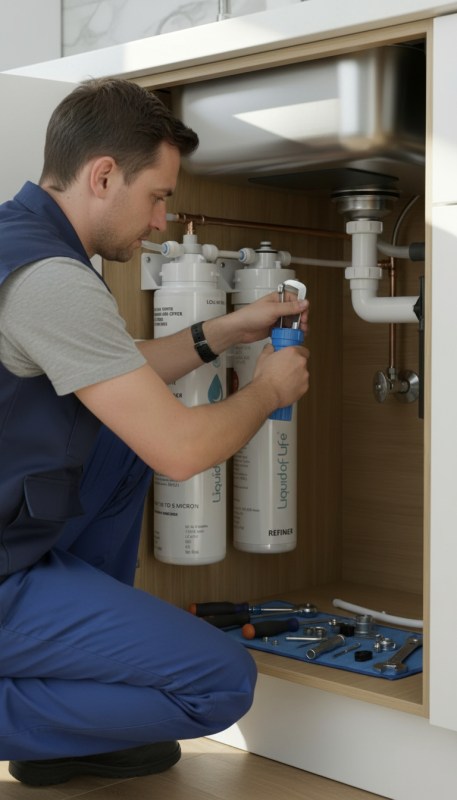
That balance is actually at the heart of our model. We’ve always believed that sustainability only works when it makes commercial sense too, otherwise it never scales. By installing water filters and dispensers directly into homes and workplaces, we remove the ongoing need for bottled water deliveries altogether. That immediately cuts down single-use plastic, transport emissions, and storage waste, while also simplifying life for the customer.
From a commercial point of view, it’s a win-win. Customers save money over time, avoid the hassle of managing bottles, and get consistent, high-quality drinking water they can trust. For us, the recurring service and maintenance model allows us to invest in quality equipment, proper servicing, and long-term relationships. When sustainability saves people money and effort, it stops being a “nice to have” and becomes the obvious choice, and that’s where real impact happens.
What internal practices or operational standards help ensure sustainability remains central as the company grows?
As we grow, we’re very intentional about keeping sustainability practical and embedded in how we operate, not treated as a side initiative. That starts with the choices we make every day from the products we source and the suppliers we work with, to how we design our service model around longevity rather than replacement. We prioritise durable systems, proper maintenance, and preventative servicing so equipment lasts longer and waste is reduced.
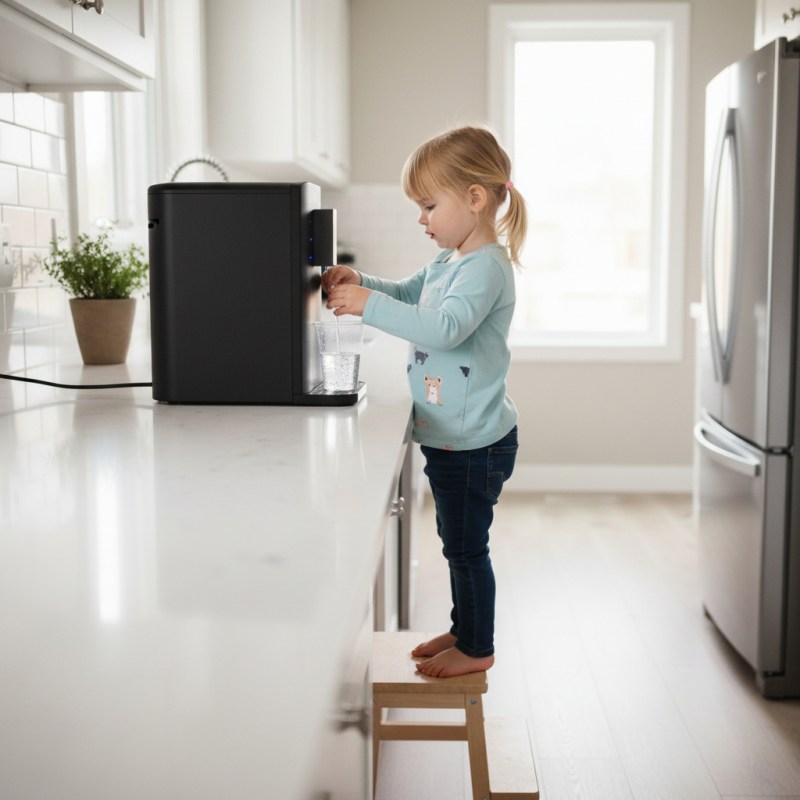
Internally, we also track impact in a way that’s tangible, not abstract. For corporate clients, our water dispensers are fitted with meters that allow us to measure usage and generate ESG reports, so we can clearly see how much bottled water is being replaced. Just as importantly, we foster a culture where the team understands why this matters not as a marketing message, but as a responsibility. Growth, for us, only makes sense if it increases positive impact alongside it.
Are there any partnerships, collaborations, or community initiatives that have been especially impactful in advancing your sustainability goals?
Yes and what’s been most encouraging is that the most impactful partnerships have come from alignment, not obligation. Working with organisations and event partners who genuinely care about reducing waste has allowed us to turn good intentions into real, visible change. Events like the Emirates Dubai 7s and the T100 Triathlon were important milestones for us, not because of scale alone, but because they showed how easily large crowds can be hydrated without relying on single-use plastic bottles.
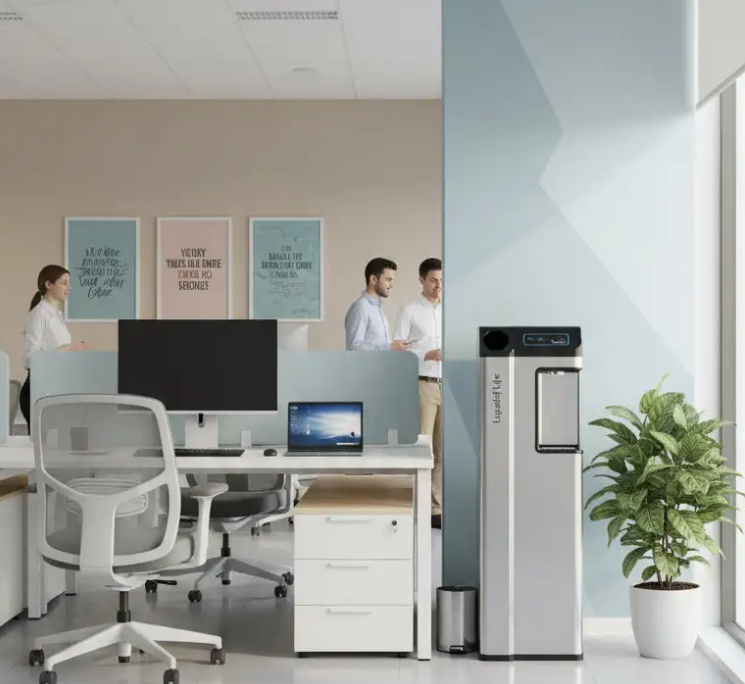
Beyond events, our everyday partnerships with offices, schools, gyms, and hospitality groups have arguably the biggest impact. These aren’t one-off initiatives, they’re long-term shifts in behaviour. When an organisation replaces bottled water with a permanent drinking water solution, the reduction in plastic is immediate and ongoing. That’s where we see sustainability move from concept to habit, and that’s what we’re most proud of.
What key challenges have you encountered on your sustainability journey, and how have you addressed them?
One of the biggest challenges has been trust. Asking people to move away from bottled water means asking them to change a habit that’s been built around safety and reassurance. In the UAE especially, bottled water has long been seen as the default, so shifting that mindset takes time. We’ve addressed this by being very transparent, through proper testing, certifications, and independent microbiological reports, and by letting the quality of the water speak for itself.
Another challenge is avoiding “greenwashing” in a space where sustainability claims are everywhere. We’re careful not to overpromise or oversimplify. Instead, we focus on doing fewer things well: providing reliable systems, maintaining them properly, and measuring real impact. It’s slower than flashy marketing, but it’s honest and over time, that honesty builds the kind of trust that allows sustainable change to last.
How do you engage and educate customers or partners about adopting more sustainable habits?

For us, education works best when it’s practical and relatable, not preachy. We don’t try to convince people with big environmental statements; we focus on everyday moments. When someone tastes the water, sees the filtration system, or receives an independent microbiological test report, the conversation naturally shifts from “Is this safe?” to “Why am I still buying bottles?” That’s usually the turning point.
With partners and customers, we spend time explaining how the system works, what’s being filtered, and why balanced filtration matters. We also share simple impact data, like how many bottles are being avoided, so people can see the difference they’re making without changing their lifestyle. Most importantly, we stay close after installation. Ongoing service, check-ins, and support reinforce trust and once trust is there, sustainable habits tend to stick on their own.
Can you share a recent initiative or achievement that best reflects Liquid of Life’s commitment to environmental stewardship?
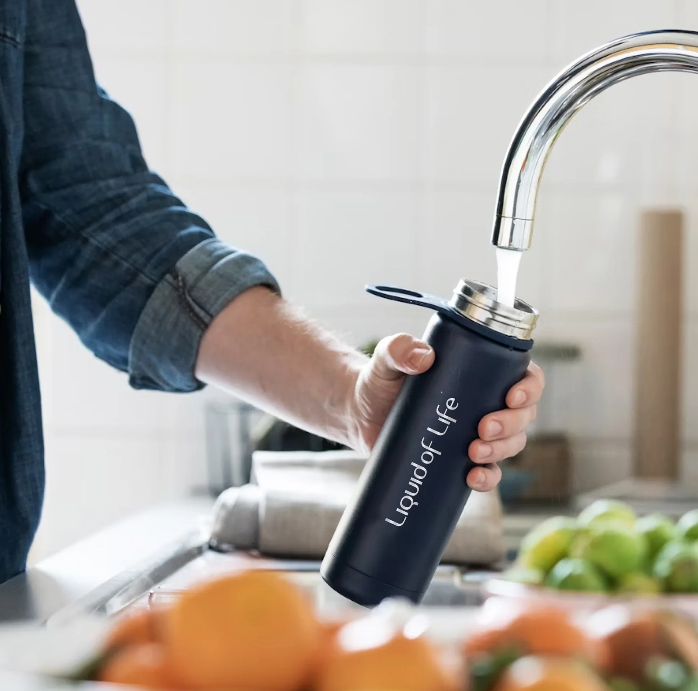
One moment that really captured what we’re trying to build was seeing Liquid of Life water dispensers in use at large-scale public events like the Emirates Dubai 7s and the T100 Triathlon. These are environments where bottled water is usually the default, simply because of scale and convenience. Being able to hydrate athletes, staff, and spectators with purified drinking water without relying on single-use plastic showed that sustainable alternatives can work even in demanding settings.
Beyond the visibility, what mattered most was the mindset shift. People refilled, trusted the water, and didn’t think twice about it. That’s environmental stewardship in practice: not asking people to compromise, but quietly changing infrastructure so better choices become the easiest ones. For us, that’s the kind of progress that signals we’re moving in the right direction.
What advice would you offer to businesses looking to adopt sustainable practices without compromising quality or profitability?
I’d say start by being honest about what problem you’re actually solving. Sustainability works best when it improves something people already care about: quality, cost, convenience, or trust; rather than competing with it. If a sustainable choice feels like a downgrade, it’s very hard to scale. But if it makes life simpler or better, adoption follows naturally.
Also, don’t chase perfection on day one. Focus on building systems that last: durable products, good servicing, and long-term thinking. That’s often more impactful than flashy initiatives. Finally, measure what you’re doing and communicate it clearly. When customers and partners can see real outcomes not just intentions, sustainability stops being a risk and becomes a business strength. The key is to design solutions where doing the right thing also makes commercial sense.