

How does Goshopia incorporate circular economy principles into its operations?

Goshopia was born out of my own personal need. I struggled to find fashion that truly aligned with my values, so I created a technology platform and curated marketplace that brings together independent designers guided by our 3 Ss: Slow, Sustainable, and Socially Responsible.
- Slow means designing and producing at a human pace — small batches, made-to-order where possible, and timeless pieces created to last beyond trends.
- Sustainable refers to the use of responsible materials and processes that minimize environmental harm, from natural and recycled fibers to low-impact production methods.
- Socially Responsible focuses on people — fair working conditions, artisan craftsmanship, cultural heritage, and supporting independent designers and communities.
Each brand on Goshopia approaches sustainability from a different angle — some focus on circularity and upcycling, others on craftsmanship and heritage techniques, and others on innovative or eco-conscious materials. Rather than producing ourselves, we support small-batch and made-to-order production, which naturally reduces waste and unsold stock.
Circularity for us is not a single model, but a collective ecosystem of practices guided by the 3 Ss: slowing fashion down, reducing environmental impact, and valuing the people behind each product.
Can you walk us through your product or service lifecycle and the steps you take to reduce waste?
Our lifecycle starts with careful curation. We only onboard designers who align with our values of slow, sustainable, and socially responsible fashion, using eco-friendly or low-impact materials and producing in limited quantities or on demand. This approach helps avoid overproduction and excess inventory from the very beginning.
We minimize waste through conscious packaging choices, avoiding unnecessary plastic wherever possible, and by encouraging customers to buy more consciously. Beyond the product itself, we actively offer repair, and promote reuse, swapping, and conscious care through our content and community activities.
What innovative sustainability practices have you adopted that set your brand apart in your industry?
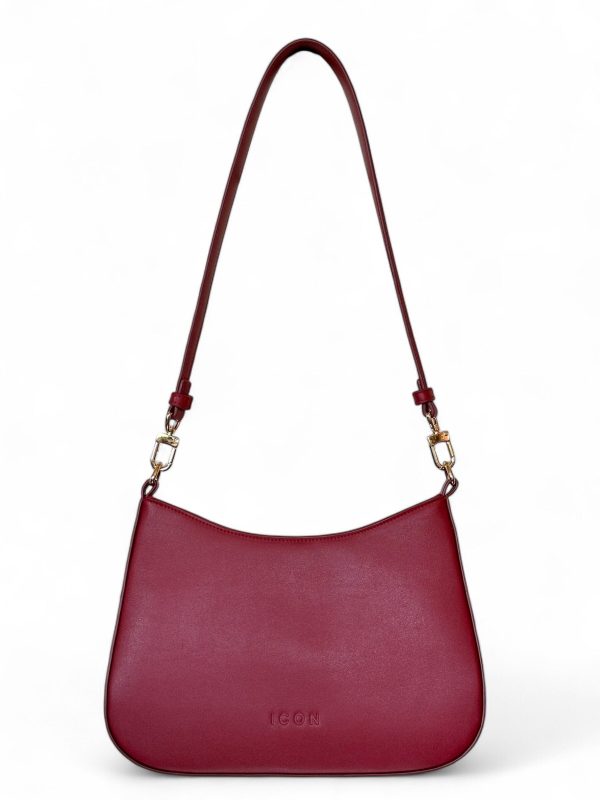
What makes Goshopia different is that we are not a single brand with a single solution — we are a platform with multiple sustainable narratives.
Innovation for us lies in:
- Making sustainable fashion accessible and visible in the Middle East
- Giving space to wearable art, heritage craftsmanship, and experimental materials like the new vegan leathers (apple, grape, rice paddy, banana or coconut leather)
- Bridging fashion, culture, and education through events, talks, and collaborations
In parallel, we also work with organizations through our corporate arm, helping companies’ source sustainable uniforms and responsible gifting. This allows us to scale our impact beyond individual consumers and another way for us to extend sustainability into everyday systems, not just wardrobes.
How do you track and evaluate the environmental impact of your business beyond compliance?
As a small, independent business, we are very conscious of being honest about where we are. Rather than relying on complex impact measurement systems, we focus on intentional decision-making and continuous improvement embedded into how we curate, collaborate, and communicate.
We regularly reflect on questions such as:
- Are we supporting small, ethical producers and independent designers?
- Are we actively avoiding overproduction?
- Are we raising awareness and encouraging more conscious choices?
For us, impact is not only numerical. It is also reflected in conversations started, designers supported, students inspired, and habits questioned — particularly in a region where sustainable fashion is still developing and education plays a crucial role.
What are your thoughts on the costs of sustainable products or services—how do you balance affordability and impact?
Sustainable products often cost more because they reflect real costs: fair wages, quality materials, and more careful processes. At Goshopia, we focus on value rather than volume.
We balance affordability by offering a wide range of price points, working directly with designers, and educating customers about cost per wear and longevity. Buying fewer, better pieces is often more affordable in the long run — financially and environmentally.
How do you educate your customers or clients about the importance of adopting sustainable habits?

Education has always been central to my work. As Fashion Revolution Country Coordinator, I’ve been involved in organizing talks, panels, clothing swaps, workshops, and student initiatives across the UAE.
Through Goshopia and Fashion Revolution UAE, we educate via:
- Storytelling around designers and materials
- Events and community collaborations
- Fashion swaps and awareness activities
- Supporting students, hobbyists, and emerging designers
We don’t lecture — we invite people into the conversation and meet them where they are.

Can you share a recent initiative or achievement that exemplifies your commitment to environmental stewardship?
A recent highlight was our participation in CARE, where we presented an artistic fashion performance focused on wearable art rather than commercial garments. It was a way to express sustainability through creativity, emotion, and culture — showing that fashion can be a form of storytelling and reflection, not just consumption.
Last year, we did a month-long exhibition called FashionArte showcasing and explain how the different pieces were made and what made them so special.
This approach reflects how we see sustainable fashion: not only as a product, but as a cultural shift.
What advice would you give to businesses trying to implement sustainable practices without compromising quality or profitability?
Start small, stay honest, and avoid greenwashing.
Sustainability doesn’t have to be perfect to be meaningful. Focus on what you can genuinely improve, collaborate with others, and be transparent with your customers. Quality and sustainability often go hand in hand — when you slow down, you make better decisions.
Most importantly, see sustainability not as a cost, but as an investment in relevance, resilience, and trust.