

Sustainability and ESG are often used interchangeably, but they are not the same thing. Together, they shape how organisations operate responsibly, manage risks, and create long-term value. Understanding the basics helps businesses move from intention to action.
What Is Sustainability?
Sustainability is about meeting today’s needs without limiting the ability of future generations to meet theirs. For organisations, this means balancing growth with responsibility.
Sustainability rests on three interconnected pillars: environmental, social, and economic. Ignoring one weakens the others.
The Three Pillars of Sustainability
Environmental Sustainability

This pillar focuses on how organisations interact with the natural environment. Climate change, pollution, waste, deforestation, and biodiversity loss are some of the most pressing challenges today.
In a workplace context, this could mean:
- Reducing energy consumption
- Cutting down waste
- Choosing reusable or recycled materials
- Rethinking packaging and sourcing
Even small operational decisions can have a significant environmental impact over time.
Social Sustainability

Social sustainability is about people – employees, communities, and society at large. It focuses on fairness, inclusion, wellbeing, and human rights.
Examples in organisations include:
- Fair wages and safe working conditions
- Inclusive hiring and accessible workplaces
- Employee training and wellbeing initiatives
- Ethical sourcing and supplier standards
Strong social practices build trust internally and externally.
Economic Sustainability
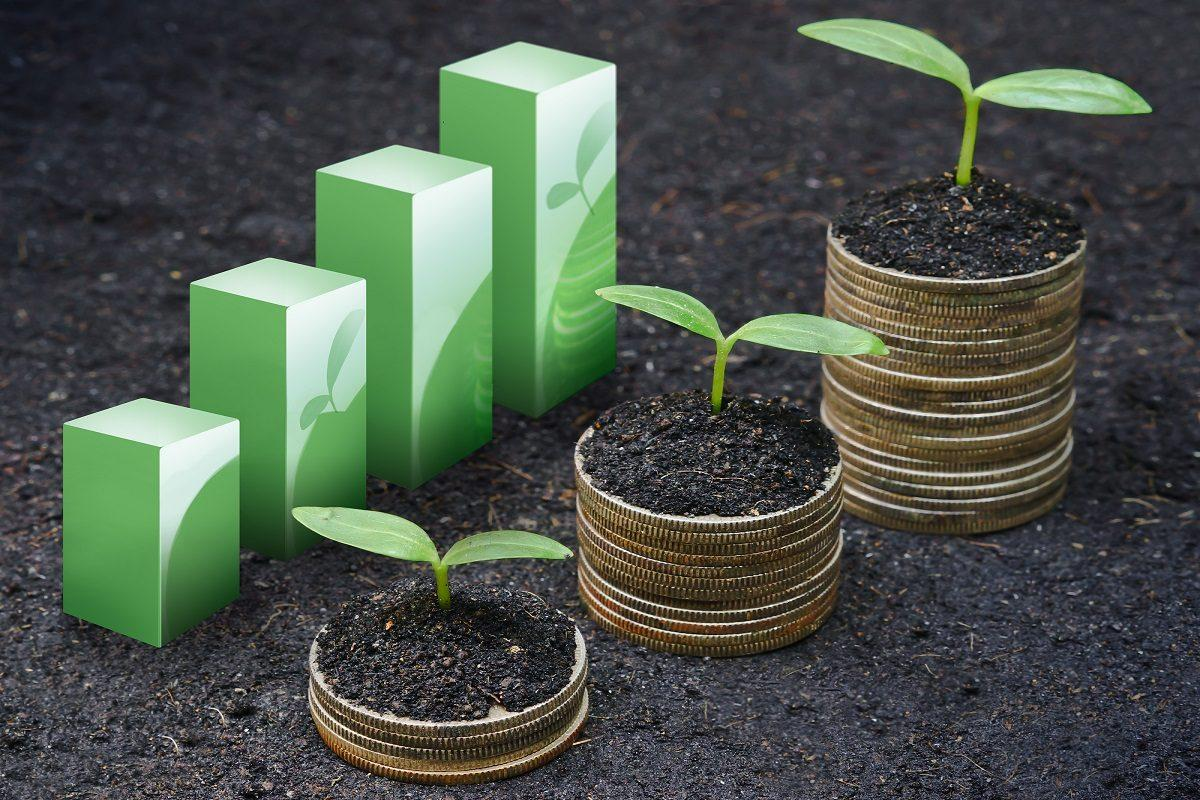
Economic sustainability ensures long-term stability and resilience. It’s not just about profit, but about responsible growth.
Key aspects include:
- Efficient use of resources
- Financial resilience
- Inclusive economic opportunities
- Sustainable finance and investment decisions
Businesses that plan for the long term are better equipped to adapt to change.
Global Sustainability Challenges and Opportunities
Climate change, social inequality, and resource depletion are some global challenges – but they also create opportunities. Innovation, technology, collaboration, and effective governance are helping organisations respond in meaningful ways.
For businesses, this can look like:
- Developing sustainable products or solutions
- Improving supply chain transparency
- Training employees on sustainability practices
Collaborating with partners to drive shared impact
Where ESG Fits In:
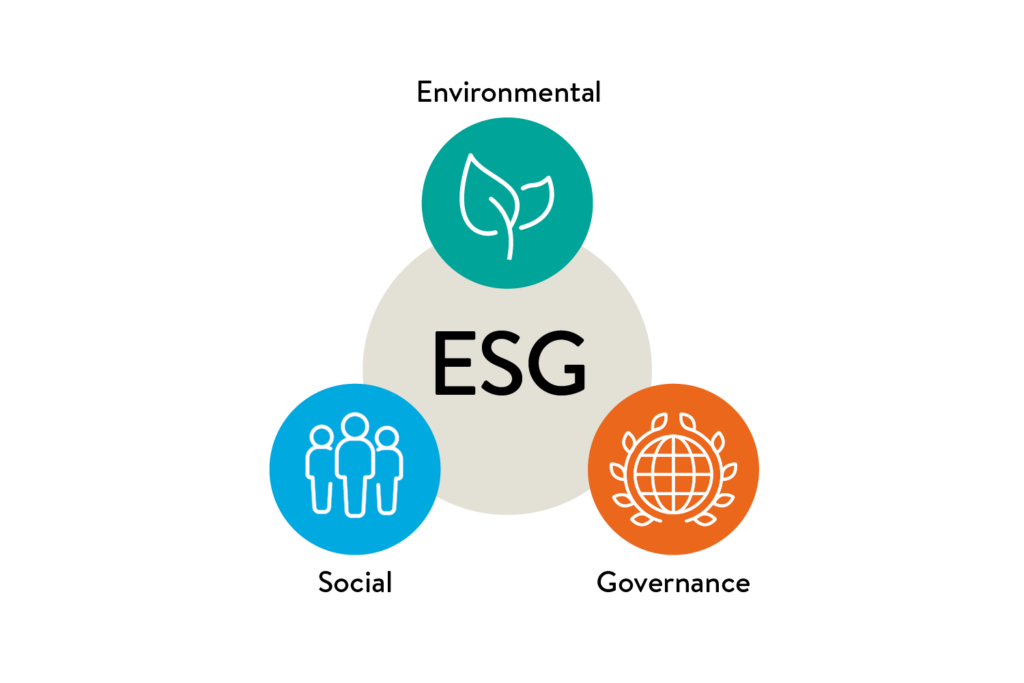
While sustainability sets the direction, ESG (Environmental, Social, and Governance) provides a framework to measure and manage performance.
ESG helps organisations and stakeholders understand how well sustainability goals are being translated into action.
Why ESG Matters for Businesses:
Organisations with strong ESG practices often experience:
- Better risk management
- Lower long-term costs
- Improved operational efficiency
- Stronger ability to attract and retain talent
- Greater customer trust and loyalty
ESG is increasingly used by investors and stakeholders to assess long-term resilience.
ESG in Action: Turning Goals into Practice

ESG helps address real-world sustainability challenges, for example:
- Climate impact can be reduced through renewable energy and efficiency improvements.
- Resource use can be optimised through waste reduction and recycled materials.
- Social risks can be managed through fair labour practices and inclusive policies.
Beginning the Shift
Sustainability and ESG are not trends – they reflect a shift in how organisations think about responsibility and long-term value. Sustainability defines where we want to go, while ESG helps track how we’re getting there.
For organisations, understanding these foundations is the first step toward making better decisions – for people, the planet, and long-term success.