


1. Tell us about yourself and how you started your journey at such a young age.
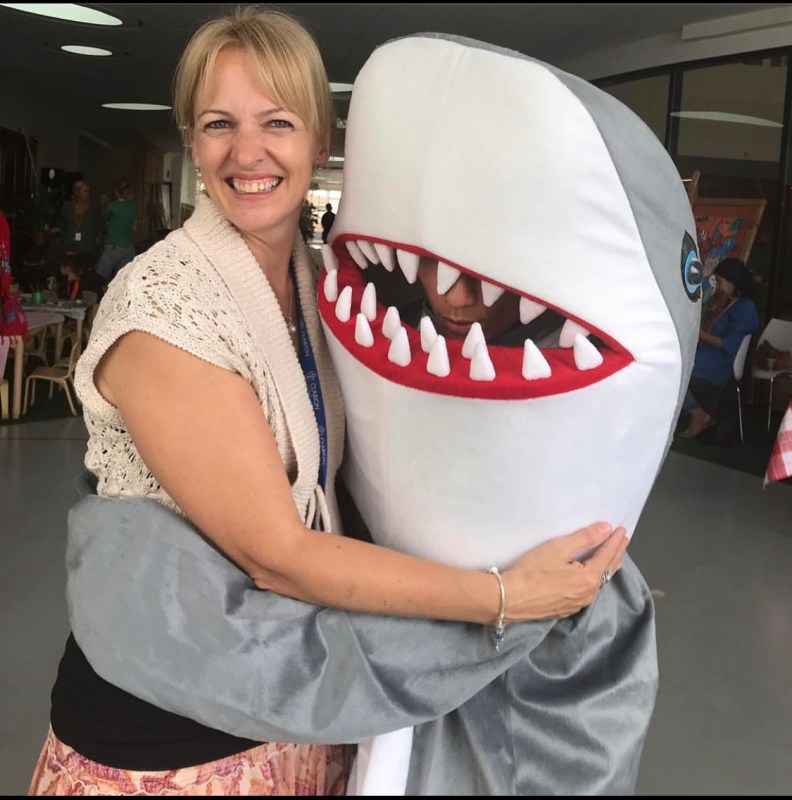
I am a passionate sustainability advocate and marine conservationist. In 2004, I founded No Shark Cull Inc. in Western Australia to combat shark culling practices and later established Azraq in the UAE, a non-profit dedicated to protecting marine ecosystems. Through my work, I have led campaigns against plastic pollution, promoted sustainable living, and influenced policy discussions around ocean conservation. My efforts have focussed on education, community engagement, and creating accessible solutions for sustainable practices.
2. What inspired you to embrace eco-friendly practices and make a shift towards sustainability?
My inspiration to embrace eco-friendly practices and sustainability stems from my deep connection to the ocean and marine life. As a PADI Scuba Diving Instructor in Australia, I witnessed firsthand the beauty and fragility of underwater ecosystems, as well as the devastating impact of human activity, such as shark culling and plastic pollution. These experiences fueled my passion to protect marine environments and advocate for sustainable practices to preserve the planet for future generations. My shift towards sustainability reflects a commitment to addressing these challenges through education, advocacy, and action.
3. What are the primary steps you take to integrate eco-friendly practices into your lifestyle?
I integrate eco-friendly practices into my lifestyle through several key steps:
Minimizing Single-Use Plastics: I actively avoid disposable plastics, opting for reusable alternatives to plastic water bottles, shopping bags, and straws.
Advocating for Sustainable Choices: I prioritize eco-friendly and sustainable products in my personal and professional life, choosing items that have minimal environmental impact.
Community Engagement: I lead by example, organizing cleanups and awareness campaigns to inspire others to adopt sustainable habits with corporates in the United Arab Emirates in my role as Sustianable and Wellness Director at Two Hands Consulting.
Educational Advocacy: Through my work, I educate others on the importance of sustainability, empowering communities to take actionable steps toward environmental preservation.
Generally, by incorporating these practices, I demonstrate a commitment to living sustainably while encouraging others to do the same.
4. Share some of the most effortless yet impactful eco-friendly changes you’ve made in your daily routine.
Some of the most effortless yet impactful eco-friendly changes I have made to my daily routine include:
Carrying Reusable Items: I consistently use reusable water bottles, shopping bags, and straws, reducing my reliance on single-use plastics.
Avoiding Plastic Packaging: I opts for products with minimal or no plastic packaging, such as fresh produce and bulk goods.
Participating in Beach Cleanups: I incorporate cleanup efforts into my routine, helping to reduce marine debris and raise awareness.
Conserving Resources: Simple actions like turning off lights, conserving water, and reducing energy usage have become part of my daily habits.
Advocating for Sustainable Products: I choose eco-friendly brands and materials, aligning my purchases with my environmental values.
5. What difficulties have you encountered while striving to live in an environmentally conscious manner?

I have encountered several challenges while striving to live in an environmentally conscious manner, including:
Public Misconceptions: Educating people about marine conservation, particularly changing negative perceptions about sharks, has been a significant hurdle.
Cultural and Regional Barriers: In some areas, limited awareness or infrastructure for recycling and sustainable practices can make eco-friendly living more difficult.
Resistance to Change: Encouraging individuals and organizations to adopt sustainable habits often requires overcoming resistance or apathy toward environmental issues.
Access to Sustainable Alternatives: Eco-friendly products and services are sometimes less accessible or more expensive, posing a challenge for widespread adoption.
Emotional Strain: Witnessing the ongoing harm to marine environments and dealing with slow progress in policy changes globally can be emotionally taxing.
Despite these obstacles, I remain committed to my mission, finding ways to navigate challenges through education, advocacy, and community engagement.
6. Describe a rewarding moment on your sustainability journey.
A particularly rewarding moment on my sustainability journey was the success of my efforts to oppose shark culling in Western Australia through No Shark Cull Inc. My advocacy, which included organizing rallies, raising public awareness, and engaging with policymakers, contributed to increased awareness about the ecological importance of sharks and the harmful effects of culling practices.
Another milestone came after I founded Azraq in the UAE, where I witnessed the tangible impact of my community cleanup campaigns, such as removing significant amounts of plastic waste from local beaches and waterways. Seeing people inspired to adopt sustainable habits and actively protect marine life reaffirmed my commitment to conservation and sustainability.
These moments highlight the power of collective action and the positive changes that can result from dedicated advocacy.
7. What are some misconceptions about being eco-friendly that you’d like to debunk?

There are several common misconceptions about being eco-friendly that I’d like to debunk, including:
- “Eco-Friendly Living is Expensive”: I would emphasize that many sustainable practices, such as reducing waste, reusing items, and conserving resources, are cost-effective and often save money in the long run.
- “One Person Can’t Make a Difference”: I believe in the power of individual actions to inspire collective change, as demonstrated by my campaigns and community initiatives.
- “Sustainability Requires Major Lifestyle Changes”: I promote small, manageable steps—like avoiding single-use plastics or conserving water—that can have a significant impact without overhauling daily routines.
- “Being Eco-Friendly is Inconvenient”: I highlight how simple habits, like carrying reusable items or making mindful purchasing decisions, can easily fit into a busy lifestyle.
- “Environmental Advocacy is Only for Experts”: My journey shows that anyone, regardless of background, can contribute meaningfully to sustainability through passion, education, and action.
By addressing these misconceptions, I encourage more people to embrace eco-friendly living as accessible and impactful.
8. How do you plan on continuing your sustainability journey? What other aspects do you plan to change?
In my role as Sustainability and Wellness Director at Two Hands Consulting, I introduce sustainability initiatives for clients, focusing on integrating eco-friendly practices into business operations.
By leveraging my expertise, I aim to guide organizations toward more sustainable practices, aligning business strategies with environmental responsibility.
9. Lastly, how do you think we can ensure that eco-friendly options and choices are available and attainable for a diverse range of individuals?

Ensuring that eco-friendly options are accessible and attainable for a diverse range of individuals, particularly in reducing waste, involves several key strategies:
Community Engagement and Education: Empowering communities through education fosters a deeper understanding of sustainability and encourages active participation in eco-friendly practices. Initiatives like community cleanups and workshops can be effective in promoting environmental stewardship.
Affordable and Accessible Sustainable Products: Making sustainable products more affordable and accessible is essential. This can be achieved by reducing the cost of eco-friendly alternatives and ensuring they are available in diverse communities. For instance, offering affordable sustainable clothing options can encourage individuals to make environmentally conscious fashion choices.
Leveraging Technology and Innovation: Utilizing technology to develop sustainable solutions can make eco-friendly options more accessible. For example, creating affordable and efficient renewable energy technologies can provide diverse communities with sustainable energy sources.
Promoting Zero Waste Practices: Encouraging zero waste initiatives, such as community composting programs and reducing single-use plastics, can significantly decrease waste production. These practices not only reduce waste but also promote environmental justice by improving the health of low-income neighborhoods where polluting facilities are most commonly located. By implementing these strategies, we can create an environment where eco-friendly choices are not only available but also attainable for individuals from all backgrounds, leading to a more sustainable and equitable future.