

Tell us about Distant Imagery. The inspiration behind the creation of Distant Imagery and its mission?
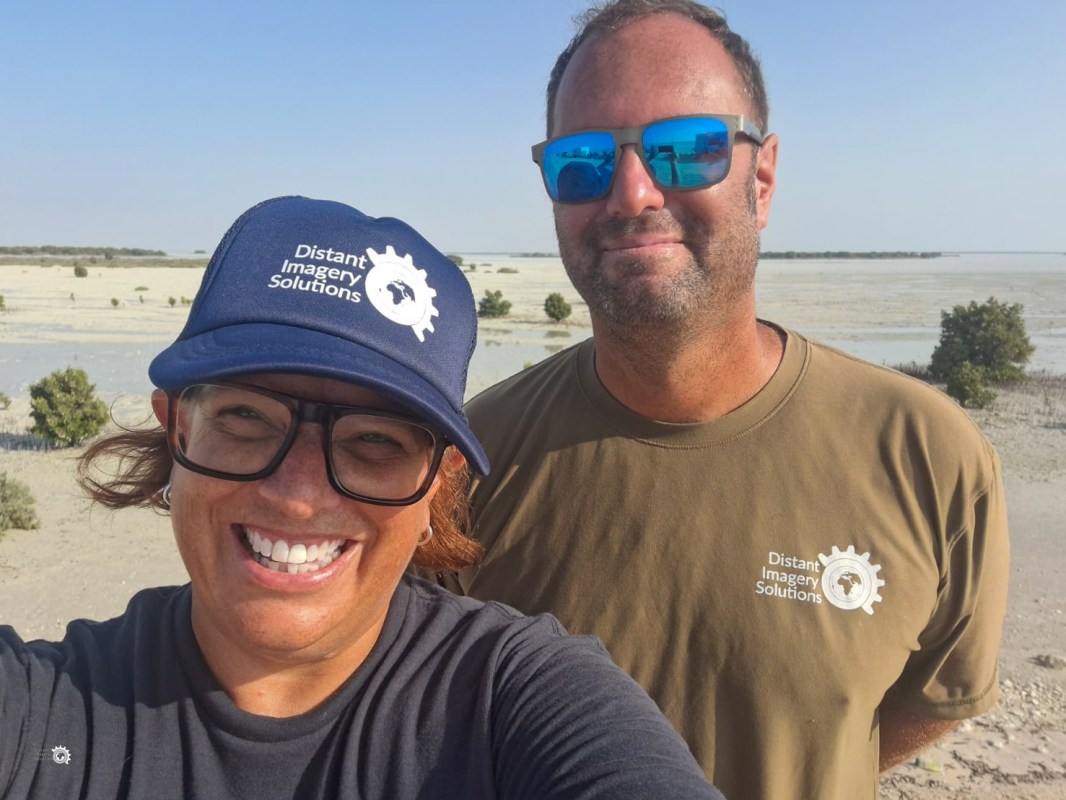
Distant Imagery was created to solve three key challenges in large-scale ecosystem restoration: the need for cost-effective, scalable reforestation technology, the empowerment of communities to manage their own environmental futures, and the importance of transparent, data-driven monitoring for restoration projects. Our mission is to combine innovative technology with community-driven impact, restoring ecosystems at scale while equipping local communities with the tools and knowledge to sustain these efforts independently.
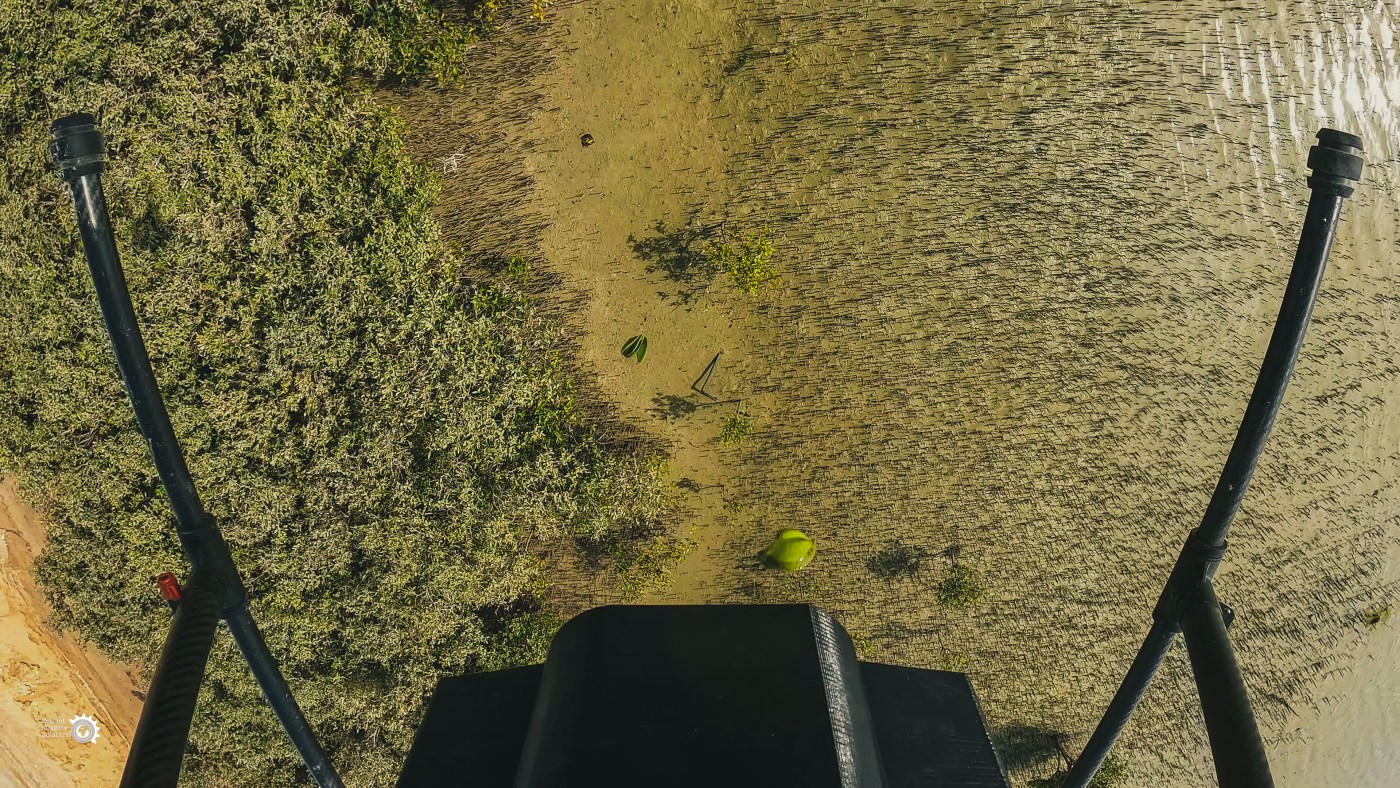
Our approach blends high-tech and sustainable engineering. We design a range of advanced drones—from AI-powered models for precision planting to modular wooden drones made with locally-sourced materials. These drones are capable of planting millions of seeds quickly and affordably, even in challenging terrains, using AI and machine learning to identify the best planting locations at a sub-meter scale.

In addition to technology, community empowerment is central to our mission. We work closely with communities in the Global South, licensing our technology and providing training to help them adapt and operate these tools to suit their specific needs. Innovations made by one community are shared across a network of partners, creating a collaborative platform where local insights drive global improvements. Through this approach, Distant Imagery is not only restoring landscapes but also building a sustainable, knowledge-sharing network that strengthens local capacity and resilience.
What impact is Distant Imagery trying to make?
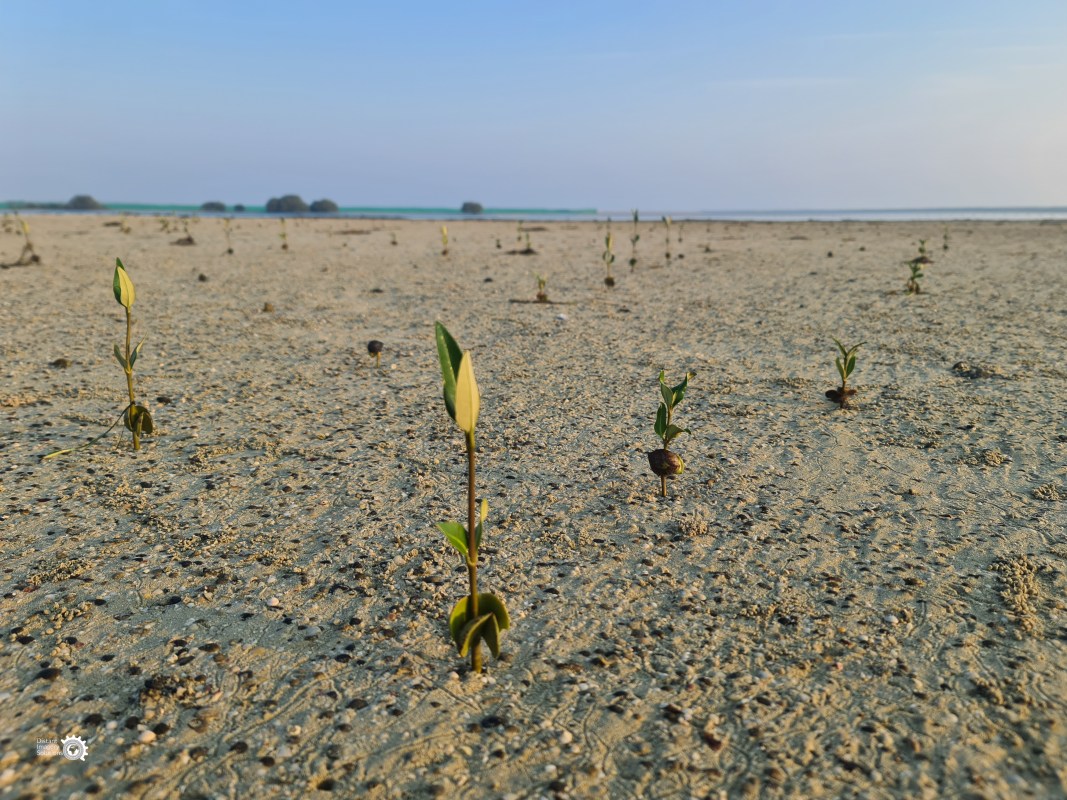
Distant Imagery’s goal is to drive ecological restoration and community empowerment on a global scale. By restoring degraded ecosystems, particularly mangrove forests, we aim to improve biodiversity, sequester carbon, and protect coastlines from erosion. Mangroves, with their unique role in coastal ecosystems, have a significant impact on carbon storage and serve as critical habitats for marine life.

On a social level, we aim to create sustainable economic opportunities within the communities we serve. By training local teams to build, modify, and operate our drones, we empower them to manage their own restoration projects. This not only boosts local economies but also fosters environmental stewardship within these communities, making restoration efforts more sustainable and impactful in the long term.
Finally, our commitment to transparency ensures that our impact is measurable and accountable. Through our advanced Monitoring, Reporting, and Verification (MRV) system, stakeholders can track the health and progress of each restored area in real-time, allowing us to demonstrate clear, data-backed results.
What are the positive impacts Distant Imagery has already made?

Since our inception, Distant Imagery has made significant strides in ecosystem restoration and community impact. To date, we’ve planted over 9.5 million mangrove seeds along the UAE coastline, in partnership with clients like ADNOC, Engie and Mubadala Energy. Our work in the UAE alone has achieved a less than 2% die-off rate after five years.
In partnership with ADNOC, we planted 2.5 million seeds as part of their mangrove restoration initiatives and engaged over 4,000 volunteers, including youth and corporate teams, to participate in our restoration activities. Our achievements have been recognized globally, with awards such as the UpLink WEF Blue Carbn Challenge, PWC Net Zero Future50 award, finalist for the Zayed Sustainability Prize and taking part in the Hatch Blue Innovation Studio and C3 Companies for Change Accelerator. These honors underscore our leadership in environmental technology and have opened doors to new partnerships and opportunities.
Moreover, our collaborative model has fostered innovation within local communities. By sharing adaptations and insights through our licensed platform, communities are able to improve and customize restoration methods based on real-world experience, contributing to a global network of sustainable restoration practices.
Can you share some future plans or initiatives that Distant Imagery has in store to enhance its impact?
Distant Imagery has several exciting initiatives planned to expand our impact in 2025 and beyond. We’re advancing our AI-powered Monitoring, Reporting, and Verification (MRV) system, which will enable precise, real-time tracking of restoration efforts and early detection of plant health issues, capture illegal poaching and fishing as well as other monitoring and analysis.
We’re also enhancing our drone technology with higher-capacity models that double the current seeding and precision mapping capabilities, allowing us to restore ecosystems even faster and across more challenging terrains. In addition, we’re developing specific regional algorithms for multispectral analysis, which will enable us to monitor mixed salt marsh species, terrestrial species and marine biodiversity post-restoration.
A key part of our future strategy is expanding our technology licensing program to more communities in the Global South. By training and licensing local operators, we aim to create a self-sustaining model where communities can implement and adapt restoration projects independently. This approach allows for locally-led restoration that’s resilient and responsive to each community’s unique needs, fostering long-term impact and economic opportunities.
Finally, what advice would you give to other businesses and brands looking to become more sustainable and socially responsible in their operations?
For businesses aiming to make a sustainable impact, my advice is to approach sustainability as a core part of your business model, not just a side initiative. Start by identifying the specific challenges in your industry where your expertise can make a difference, and build solutions that address these challenges in a measurable, transparent way.
Engaging with local communities can amplify your impact. By including them in the process and learning from their insights, you’ll create a more inclusive and effective approach to sustainability. Think about how your business can empower others and create shared value—this is where long-term social responsibility truly takes root.
Finally, be open to innovation and adapt as you learn. Sustainability is a journey, and it requires flexibility, transparency, and a commitment to continuous improvement. Use data to track your impact honestly, communicate your progress openly, and don’t be afraid to pivot when you find new, more effective methods for creating positive change.