

Climate change is one of the biggest challenges we face as a global community. Understanding the key concepts can help us grasp the urgency of the situation and guide us toward effective action.
Global Warming vs. Climate Change
First, let’s clarify the difference between global warming and climate change. Global warming refers specifically to the increase in Earth’s average surface temperature due to rising levels of greenhouse gases. It’s a key component of the broader concept of climate change, which also includes changes in weather patterns, sea levels, and extreme weather events.
The Greenhouse Effect
The greenhouse effect is a natural process that warms the Earth’s surface. When the Sun’s energy reaches the Earth, some of it is reflected back to space, but most is absorbed and re-radiated by greenhouse gases in the atmosphere. Learn more about the greenhouse effect here.
Carbon Footprint
A carbon footprint measures the total amount of greenhouse gases produced by human activities, expressed in equivalent tons of CO₂. This includes emissions from driving cars, using electricity, producing goods, and more. Reducing our carbon footprint is crucial for combating climate change. Simple actions like using energy-efficient appliances, reducing waste, and opting for sustainable transportation can make a significant difference.
Net Zero
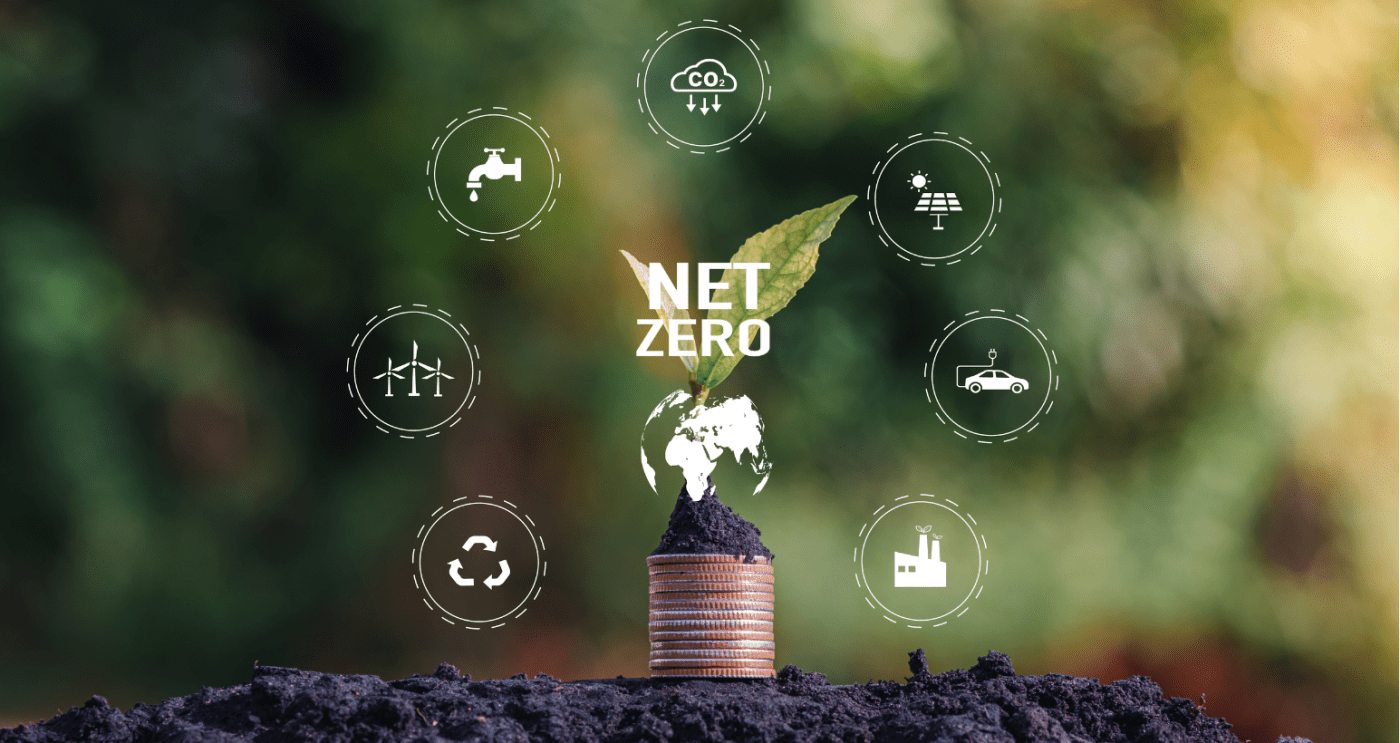
Achieving net zero means balancing the amount of greenhouse gases emitted into the atmosphere with the amount removed. This can be done by reducing emissions and implementing methods to absorb CO₂, such as planting trees or using carbon capture technology. Many countries and companies have set net zero targets to help limit global warming and mitigate climate change.
Climate Neutral
Being climate neutral means having no net impact on the climate. This involves not just reducing greenhouse gas emissions but also offsetting any remaining emissions through activities like reforestation or investing in renewable energy projects. The goal of climate neutrality is to achieve a balance where human activities no longer contribute to climate change.
Weather vs. Climate
Understanding the difference between weather and climate is key. Weather refers to the short-term conditions of the atmosphere at a specific place and time, such as rain, snow, or sunshine. Climate, on the other hand, is the average weather conditions in a region over a long period, typically 30 years or more. While weather can change from day to day, climate change involves long-term shifts in temperature, precipitation, and other atmospheric patterns.
The Paris Agreement
The Paris Agreement is a landmark international accord adopted in 2015 to address climate change. Its main goal is to limit global warming to well below 2°C above pre-industrial levels, with efforts to keep it to 1.5°C. It was adopted by 196 Parties at the UN Climate Change Conference (COP21) in Paris, France, on 12 December 2015.The agreement emphasizes national commitments to reduce greenhouse gas emissions, enhance climate resilience, and support developing countries in their climate actions. It represents a collective effort to tackle the global climate crisis. Implementation of the Agreement is also essential for the achievement of the Sustainable Development Goals.
Climate Finance
Climate finance refers to the funding provided to help countries and communities mitigate and adapt to climate change. This includes investments in renewable energy, energy efficiency, and sustainable agriculture, as well as support for developing nations to build resilience against climate impacts. Climate finance is essential for ensuring that all countries, especially the most vulnerable, can participate in and benefit from global climate action.

Climate Crisis
The term “climate crisis” underscores the urgency and severity of climate change. It highlights the immediate need for action to prevent catastrophic impacts on the environment, economies, and societies. The climate crisis calls for rapid and significant changes in how we produce and consume energy, manage natural resources, and build resilient communities.
Understanding these must-know concepts of climate change is essential for grasping the full scope of the issue and recognizing the importance of taking action. From the basic principles of the greenhouse effect and global warming to the critical goals of the Paris Agreement and the urgency of the climate crisis, each concept plays a vital role in our collective response to this global challenge. By educating ourselves and making more sustainable choices, we can contribute to a healthier planet for future generations.