

How it Started
The story of Earth Month is a powerful testament to human potential and collective action. It began in 1970, during a time of profound social and environmental awakening, when Senator Gaylord Nelson recognized the urgent need to bring environmental concerns to the forefront of national consciousness.
Inspired by the devastating oil spill in Santa Barbara, California, Nelson envisioned a day that would transcend political boundaries and unite people in a common cause of environmental protection.
History of Earth Day

On April 22, 1970, something remarkable happened. Approximately 20 million Americans took to the streets, parks, and public spaces, creating the first Earth Day.
This wasn’t just a protest or a demonstration – it was a collective awakening. Students, professionals, community leaders, and citizens from all walks of life came together, demonstrating an unprecedented unity in addressing environmental challenges. What began as a single day of action soon evolved into a month-long global movement of education, reflection, and commitment.
Why is it Important?
While every month should be Earth Month, dedicating April to environmental action is crucial, as it serves as a global reminder of our collective responsibility. With Earth Day at its heart, this month provides a focused opportunity to raise awareness, drive change, and inspire communities to take meaningful action.
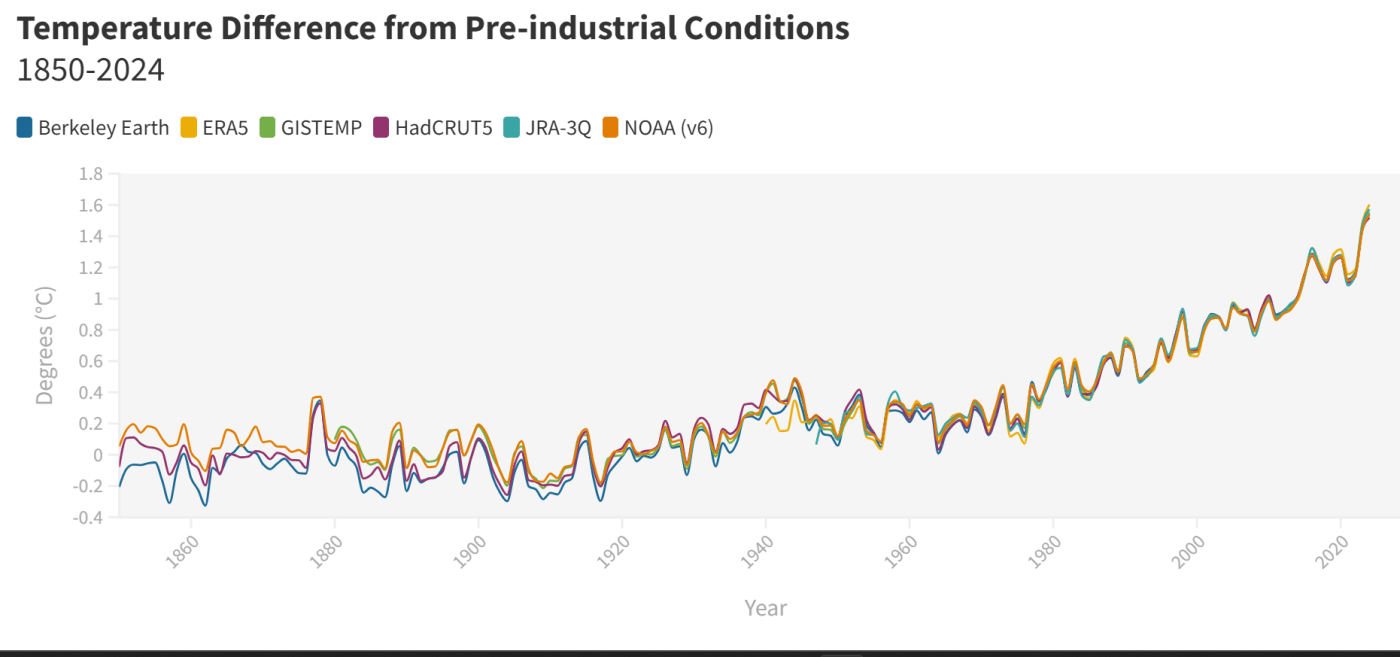
The World Meteorological Organization’s State of Global Climate 2024 report provides a sobering backdrop to our Earth Month reflections.
The clear signs of human-induced climate change reached new heights in 2024, which was likely the first calendar year to be more than 1.5°C above the pre-industrial era, with a global mean near-surface temperature of 1.55 ± 0.13°C above the 1850-1900 average. Real-time data show that global greenhouse gas emissions continued to increase, painting a critical picture of our environmental challenges.
These alarming trends highlight the need for dedicated initiatives that educate, engage, and mobilize people toward sustainability. Marking Earth Month ensures that the message of climate action reaches a wider audience, empowering individuals, businesses, and policymakers to implement lasting solutions for a healthier planet.
Transformation and Hope: Our Collective Response
Earth Month has transformed dramatically over the decades. What once was a primarily awareness-driven initiative has become a robust platform for tangible environmental action. Educational institutions now design comprehensive programs that go beyond traditional classroom learning. Schools organize immersive experiences that connect students directly with environmental challenges, creating a generation of informed and passionate environmental stewards.
Corporations have also recognized their critical role. Major businesses are no longer passive observers but active participants in sustainability efforts. They are implementing green technologies, reducing carbon footprints, and integrating environmental considerations into their core business strategies. This shift represents more than corporate responsibility – it’s a fundamental reimagining of how businesses interact with our planet.
Technological innovations provide additional reasons for optimism. Breakthrough technologies in carbon capture, sustainable urban design, and renewable energy are emerging at an unprecedented rate. Young innovators, researchers, and entrepreneurs are developing solutions that seemed impossible just a decade ago. These innovations represent more than scientific achievements – they are expressions of human creativity and resilience.
A Call to Action
Earth Month is more than a commemoration—it is a call to action. Every individual choice contributes to a larger global narrative of sustainability. Simple actions like choosing sustainable products, reducing waste, supporting local environmental initiatives, and advocating for climate policies can make a significant impact.
Our planet is sending us an urgent message. It is time to listen, act, and reimagine our relationship with the Earth. The challenges ahead are immense, but so is our collective ability to drive change.
Together, we can turn the tide. Together, we can create change.