

Sustainability jargon can sometimes feel complicated and overwhelming
To make things simpler, we’ve broken down five common terms you might hear in daily conversations – whether in a business meeting, at the mall, or while chatting with friends.
If you missed Part 1, check it out here.
1. ESG (Environmental, Social, and Governance)

What it Means: ESG is a framework companies use to evaluate their impact on the planet, society, and their own operations.
- Environmental: How a company manages energy, waste, and resources.
- Social: How it treats employees, communities, and stakeholders.
- Governance: Transparency, ethics, and responsible management practices.
Various organizations in the UAE now publish ESG reports annually to demonstrate their sustainability efforts and progress. Learn more about ESG efforts made by organizations on our Business Sustainability Talks.
Why It Matters: ESG reporting helps investors, consumers, and the public identify businesses committed to ethical practices and environmental responsibility.
2. Renewable vs. Non-Renewable Energy
What it Means:
- Renewable Energy: Comes from sources that don’t run out, like sunlight, wind, and solar power.
- Non-Renewable Energy: Comes from limited resources such as oil, coal, and natural gas.
Real Example: The Mohammed bin Rashid Al Maktoum Solar Park is increasing Dubai’s share of clean solar energy. Upon its completion, the solar park will reduce eight million tonnes of carbon emissions annually.
Why It Matters: Using renewable energy reduces pollution and preserves natural resources for the future.
3. Biodiversity
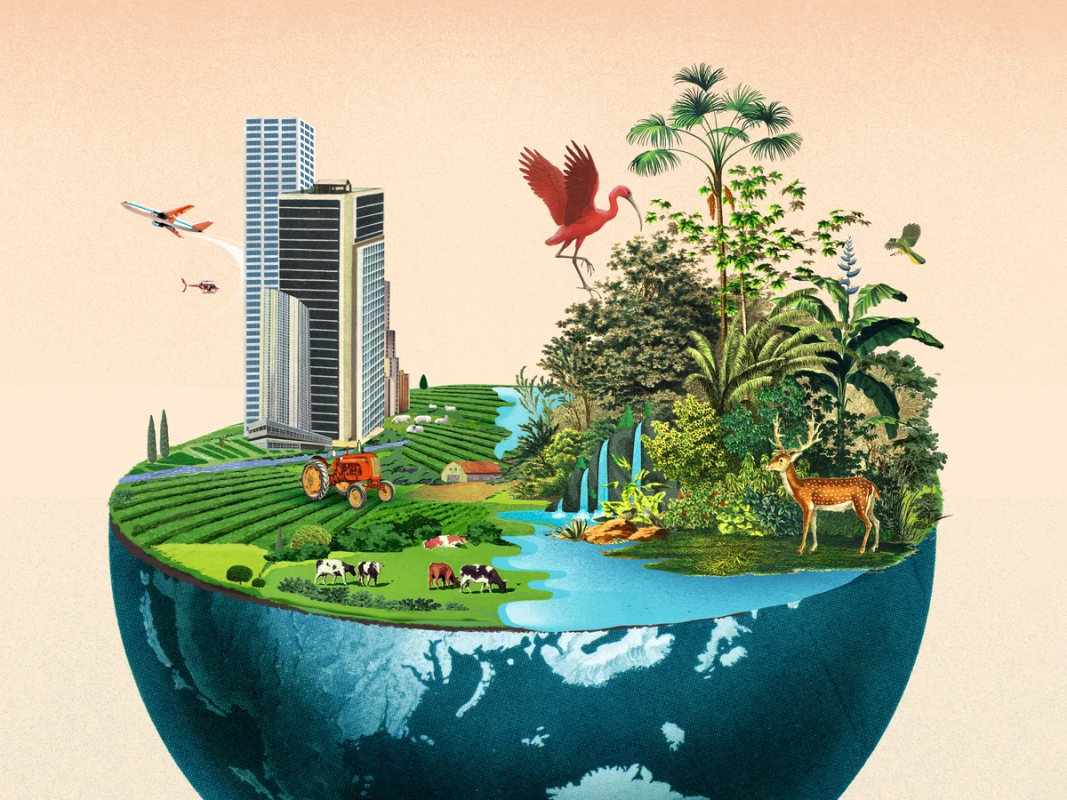
What it Means: Biodiversity refers to all living organisms in an ecosystem- plants, animals, and microorganisms. High biodiversity indicates a healthy, resilient environment.
Real Example: Abu Dhabi’s mangrove planting initiatives help protect coastlines, support wildlife, and strengthen natural habitats.
Why It Matters: Maintaining biodiversity ensures clean air, safe food, and ecosystems that can better withstand environmental challenges.
4. Sustainable Supply Chains
What it Means: A sustainable supply chain evaluates every step in making and delivering products to reduce environmental harm, ensure fair labor practices, and maintain ethical sourcing.
Real Example: UAE retailers now highlight product origins and ethical sourcing practices on labels.
Why It Matters: Transparency in supply chains promotes responsible production, supports workers, and builds consumer trust.
5. Climate Adaptation vs. Climate Mitigation

What it Means:
- Mitigation: Efforts to reduce greenhouse gas emissions and prevent further climate change.
- Adaptation: Adjusting practices and infrastructure to cope with the effects of climate change already underway.
Real Example: UAE farms are experimenting with drought-resistant crops and innovative irrigation to withstand higher temperatures and lower water availability.
Why It Matters: Combining adaptation and mitigation strategies prepares communities for climate impacts while reducing future risks.
Putting Knowledge Into Action
Knowing these terms helps you make smarter decisions- whether evaluating a new project, assessing a company’s sustainability claim, or choosing eco-friendly products. Clear understanding empowers meaningful action, so the next time you hear sustainability jargon, pause, ask questions, and look for evidence. Being informed is the first step toward a greener future.
Your call to action: The next time you hear a sustainability claim, don’t just nod along. Pause, ask questions, and look for proof. Being informed is the first step to driving real change.