

COP 28 Preview
Key Themes and Major Sessions: COP28 will address pressing global issues under the overarching theme of keeping the global temperature rise within reach of 1.5°C. The program, shaped by an innovative and inclusive approach, includes thematic days covering sectors like energy, finance, health, trade, and relief. With crosscutting themes of Technology & Innovation, Inclusion, Frontline Communities, and Finance, COP28 aims for effective, interconnected solutions.
Role of Key Stakeholders: Governments, businesses, and civil society play pivotal roles in achieving COP28’s goals. The conference, expected to be attended by over 70,000 delegates, will bring together world leaders, industry experts, NGOs, and more to build consensus on climate action. The UAE’s COP28 Presidency, led by Dr. Sultan Al Jaber, emphasizes a just energy transition, climate finance, inclusivity, and the focus on people, nature, lives, and livelihoods.
Anticipated Outcomes: The Global Stocktake (GST) at COP28 marks a significant moment, allowing nations to collectively assess progress toward the Paris Agreement’s objectives. With a focus on reducing 22 gigatons of emissions before 2030, urgent and decisive action is essential. The COP28 Presidency’s Action Plan outlines pillars for a just energy transition, climate finance, inclusivity, and addressing societal needs.
Engagement Opportunities: While the Blue Zone hosts formal negotiations, the Green Zone, open to everyone, facilitates dialogue on climate action. With curated content programming, a Youth Hub, Civil Societies Hub, and Arts and Cultural Programming, the Green Zone ensures diverse voices are heard. To participate, register at cop28.com.
Why It Matters: COP28 is a milestone for global climate action, emphasizing collaboration and solutions. With the UAE’s commitment to climate goals, its support for the Kyoto Protocol and the Paris Agreement, and the COP28 Presidency’s leadership, the conference aims to accelerate worldwide efforts to combat climate change.
Emirates Declaration

COP28 organizers plan to unveil the Emirates Declaration on December 1, urging countries to overhaul their food and agricultural systems, aligning policies with national emissions and biodiversity plans. The declaration aims to address the environmental impact of agriculture, a crucial aspect of the climate puzzle, prompting a reevaluation of global food production. The Food and Land Use Coalition anticipates the declaration to elevate ambitions, promoting healthier, more resilient, and food-secure outcomes.
“Our food systems unfortunately today are failing us. The Emirates Declaration will raise the floor of ambition, with the UAE presidency urging countries to get behind the pledge.” -Morgan Gillespy (Director of the Food and Land Use Coalition)
With a dedicated day for food, agriculture, and water, COP28 is expected to witness unprecedented promises in these areas, contributing to a global effort to reshape food and agriculture policies.
The declaration, accompanied by a call to action for the private sector, is envisioned to set the stage for a broader rethink on food policies, addressing the net costs of food production for climate and environment, estimated to be around $2 trillion.
Key Takeaways from Previous COPs
COP 26
- Mitigation: Countries stepped up by unveiling new 2030 emissions targets, the Glasgow Climate Pact set the stage for accelerated climate action, and the Paris Rulebook was finalized.
- Adaptation & Loss and Damage: 80 countries have either Adaptation Communications or National Adaptation Plans in place, the Glasgow Sharm el-Sheikh Work Programme on the Global goal on Adaptation was adopted, and a significant increase in adaptation finance was pledged.
- Finance: Developed nations have made substantial progress toward meeting the $100 billion climate finance goal, and no less than 34 countries and five public finance institutions have pledged to cease international support for the unabated fossil fuel energy sector by 2023.
- Collaboration: The Glasgow Breakthrough Agenda will expedite collaboration among governments, businesses, and civil society, and collaborative councils and dialogues will play a pivotal role in delivering on commitments.
COP 27
- Mitigation: Countries reaffirmed their dedication to limiting global temperature rise to 1.5°C above pre-industrial levels, a mitigation work program was established, and governments were urged to revisit and strengthen their 2030 targets.
- Loss and Damage: Parties agreed to provide funding for loss and damage experienced by vulnerable countries, and a “transitional committee” was established to provide recommendations on operationalizing new funding arrangements.
- Accountability: A new phase of implementation emphasizes accountability, and UN Climate Change was tasked with devising a plan to ensure transparency and accountability with non-state actors.
- Finance: The Sharm el-Sheikh Implementation Plan recognized the need for substantial investments, and developed countries were called upon to provide resources for the second replenishment of the Green Climate Fund.
- Implementation: COP 27 emphasized implementation, with decisions aimed at strengthening actions to reduce emissions and adapt to climate change impacts.
Read more about the previous conferences here.
Impact and Relevance to COP28
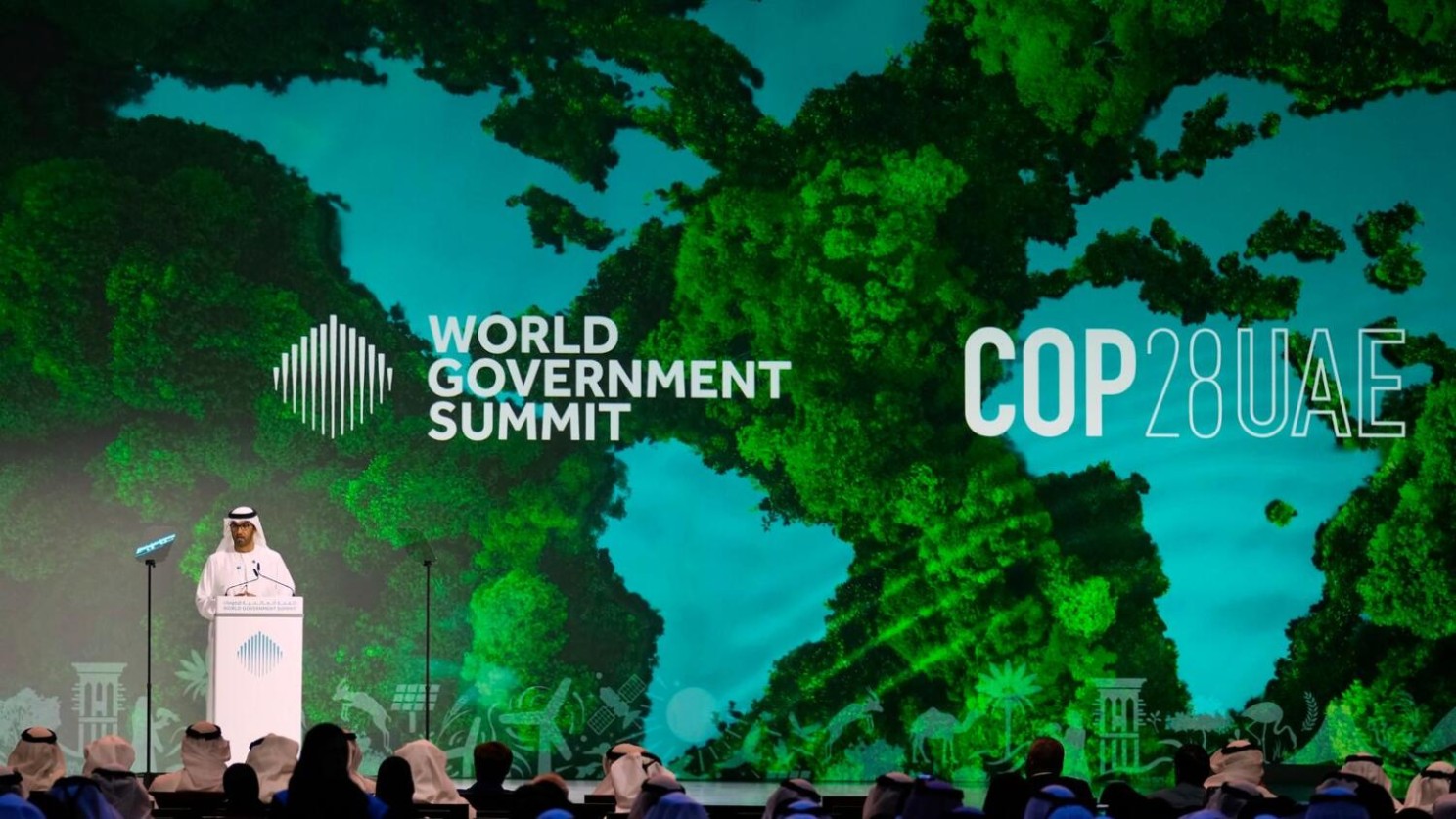
The outcomes of COP 26 and COP 27 have had a significant impact on the global effort to address climate change. The agreements reached at these conferences have helped to accelerate the transition to a low-carbon economy, provide support for vulnerable countries, and promote international cooperation on climate action.
These outcomes will be highly relevant to COP 28, which will take place in 2023. COP 28 will be an opportunity to review the progress made since COP 26 and COP 27, and to set new goals and targets for the years to come. It will also be an opportunity to address any outstanding issues from previous COPs.
Overall, the outcomes of COP 26 and COP 27 have been positive and have helped to advance the global effort to address climate change. These outcomes will be highly relevant to COP 28, which will be an important opportunity to build on the progress made in recent years.
Post-COP28 UAE Actions: Continuing the Climate Fight

In November 2023, the United Arab Emirates will host the 28th Conference of the Parties (COP28) to the United Nations Framework Convention on Climate Change (UNFCCC). This important gathering of global leaders will be a crucial opportunity to assess progress on climate action and set new targets for the future.
While COP28 is expected to yield significant outcomes, it is essential to recognize that the fight against climate change will not end with this one conference. Continued action and collaboration will be necessary to effectively address this global challenge.
Why Continued Climate Action is Essential
The impacts of climate change are already being felt around the world, in the form of extreme weather events, rising sea levels, and disruptions to ecosystems. If we do not take urgent action to reduce greenhouse gas emissions, these impacts will only worsen.
The scientific consensus is clear: we must limit global warming to well below 2 degrees Celsius, preferably to 1.5 degrees Celsius, compared to pre-industrial levels. This will require a rapid and deep transformation of our economies and societies.
How Individuals and Organizations Can Stay Involved
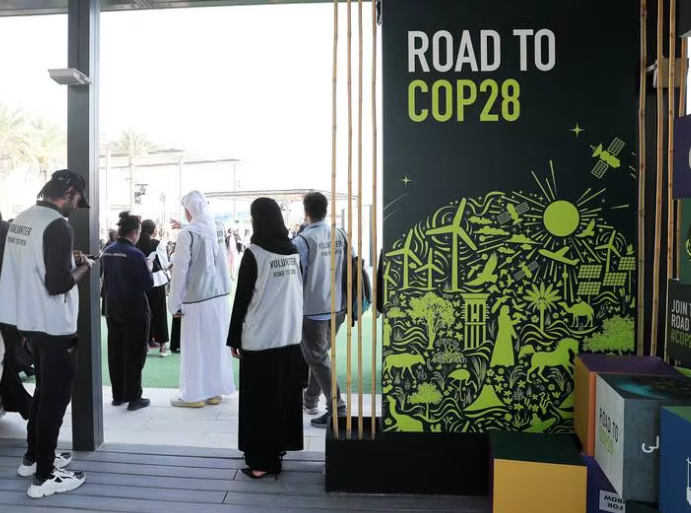
Individuals can make a significant impact by incorporating climate-conscious practices into their daily lives:
- Educate Yourself: Enhancing knowledge of climate change empowers individuals to make informed decisions and advocate effectively.
- Personal Emissions Reduction: Simple lifestyle changes, such as reducing car usage, adopting plant-based diets, and minimizing energy consumption, can collectively make a substantial difference.
- Supporting Climate Initiatives: Financial or volunteer support for organizations dedicated to climate action can amplify their efforts and accelerate progress.
- Advocacy for Climate Action: Engaging with local, state, and national representatives to advocate for stronger climate policies can influence decision-making.
Organizational Contributions to Climate Action
Organizations can play a crucial role in addressing climate change:
- Adopting Sustainable Practices: Implementing sustainable business practices, such as reducing waste, adopting renewable energy sources, and minimizing environmental footprints, can set a positive example and inspire others.
- Supporting Climate Initiatives: Collaborating with and funding organizations working on climate solutions can amplify their impact and accelerate progress.
- Employee Engagement: Educating and empowering employees to adopt sustainable practices can foster a culture of climate consciousness within the organization.
- Advocacy for Climate Policies: Engaging in policy discussions and advocating for supportive climate policies can influence decision-making and promote systemic change.
Where to Keep Track
International Organizations
- United Nations Climate Change (UN Climate Change): https://unfccc.int/
- Intergovernmental Panel on Climate Change (IPCC): https://www.ipcc.ch/
- United Nations Environment Programme (UNEP): https://www.unep.org/
- International Energy Agency (IEA): https://www.iea.org/
- World Resources Institute (WRI): https://www.wri.org/
Climate News and Information
- Climate Central: https://www.climatecentral.org/
- Climate Nexus: https://climatenexus.org/
- The Guardian – Environment: https://www.theguardian.com/uk/environment
- Inside Climate News: https://insideclimatenews.org/
- Yale Climate Connections: https://yaleclimateconnections.org/
The Road Ahead
The journey to a sustainable future will be challenging, but it is also essential. By working together, we can create a world that is powered by clean energy, resilient to climate impacts, and equitable for all.
The outcomes of COP28 will set the stage for the next phase of climate action. It is up to all of us to build on this momentum and continue to fight for a brighter future.
Building on the momentum generated by COP28, we can collectively create a more sustainable future for all. By taking action, we can mitigate the impacts of climate change, protect our planet, and ensure a healthier and more resilient future for generations to come.