

Embarking on a greener commute is not just about caring for the environment; it’s a conscious choice towards a healthier lifestyle and a more sustainable future. The United Arab Emirates has been making significant progress in promoting smart and sustainable mobility as part of the country’s Net Zero by 2050 strategic initiative, aiming to reach zero carbon emissions by 2050.
A prime example of this commitment is Dubai’s ambitious goal to transform into a “20-minute city,” where 80% of daily services will be accessible within a 20-minute journey by walking or cycling. This initiative, part of the updated Roads and Transport Authority (RTA) Strategic Plan 2024-2030, focuses on improving accessibility and integrating various modes of transport to create a more efficient and sustainable urban environment.
Let’s explore how you can make a positive change.
Why Choose a Green Commute?
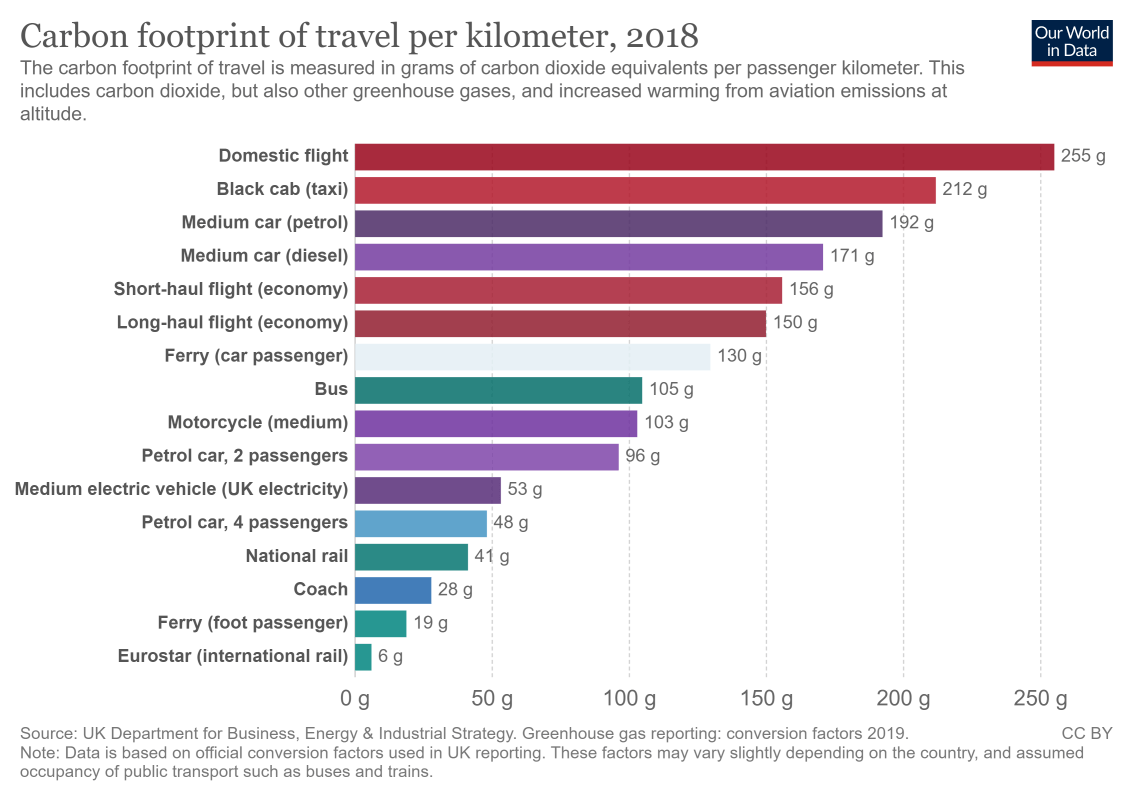
Environmental Benefits: By opting for greener transportation methods, you directly contribute to reducing greenhouse gas emissions. For instance, the RTA’s initiatives have led to an impressive 4 million tCO2e avoided due to the shift to public transport since 2016. These gases are primary contributors to climate change, and every reduction counts.
Financial Savings: Ditching your car for public transport, biking, or walking can lead to substantial savings. You’ll spend less on fuel, parking fees, and vehicle maintenance.
Improved Health and Well-being: Active commuting, such as biking or walking, offers numerous health benefits.
Traffic Reduction: Fewer cars on the road mean less congestion. A smoother commute for everyone is a byproduct of choosing greener transportation options. The RTA’s efforts have also resulted in a 20.6% share of public transport and shared mobility in people’s journeys, up from just 6% in 2006.
Green Commuting Options in Dubai
Dubai, a city known for its rapid development, also offers a robust public transportation system. The Roads and Transport Authority (RTA) provides a variety of options to cater to different preferences and needs, continuously working towards a low-carbon economy with energy-efficient management to protect the environment.
RTA is the first governmental entity in the region to establish a Green Economy Strategy in 2016 and the Net-Zero Emission Public Transportation 2050 Strategy in 2022.
Metro: This rapid transit system is renowned for its efficiency and comfort. With its extensive network, it’s an ideal choice for quick long-distance commuting.
Bus: Offering wider coverage, buses are a versatile option. They serve various neighborhoods and connect to other transportation modes.
Tram: Enjoy a scenic ride along the Dubai Marina and Jumeirah Beach with the tram. It’s a popular choice for leisure and commuting.
Water Bus: Experience a unique commuting experience while taking in stunning water views. The Water Bus operates along Dubai Creek and offers a relaxing journey.
Beyond Public Transport, Consider These Alternatives
Biking: If your workplace is within a reasonable distance, biking can be a fantastic option. It’s not only eco-friendly but also a great way to get some exercise and enjoy the outdoors. Dubai has been making significant investments in creating dedicated bike lanes to enhance the convenience and safety of cyclists. However, it’s important to note that the intense summer heat can make biking less feasible during peak months. On bearable days, if you choose to bike, ensure you stay hydrated and take necessary precautions like wearing lightweight, breathable clothing and carrying an umbrella for shade.
Walking: For short distances, walking is the simplest and most environmentally friendly mode of transport. It’s a great way to get some extra steps in while reducing your carbon footprint. However, in the UAE, especially during the summer, walking can be quite challenging due to the extreme temperatures. On days when the heat is more manageable, walking can still be a viable option. Remember to stay hydrated, wear sun protection, and consider using an umbrella to shield yourself from the sun.
Electric Scooters: Electric scooters are becoming increasingly popular in Dubai, offering a convenient option for short-distance travel. These scooters are available at various locations around the city, making them an accessible and eco-friendly choice. However, it’s crucial to prioritize safety by following designated tracks and adhering to local guidelines.
To ride an e-scooter in the specified areas, users must obtain a permit. This ensures that all riders are aware of the rules and regulations, contributing to the overall safety and efficiency of the e-scooter initiative. Click here to learn more.
Electric Vehicles (EVs): Dubai has been making strides towards adopting electric vehicles (EVs) as part of its sustainable transportation strategy. EVs produce zero tailpipe emissions, making them a cleaner alternative to traditional petrol and diesel vehicles. The Dubai Electricity and Water Authority (DEWA) has been actively supporting the adoption of EVs by installing charging stations across the city, making it easier for residents to switch to electric cars.
However, the sustainability of EVs also depends on the source of the electricity used to charge them. If the electricity comes from fossil fuels, the overall environmental benefit is reduced. Fortunately, Dubai is investing in renewable energy sources like solar power, which will enhance the sustainability of EVs in the long run.
School Buses: School buses in Dubai provide a more sustainable alternative to parents driving their children to school individually. A single school bus can replace multiple cars on the road, significantly reducing traffic congestion and emissions. Moreover, Dubai’s school buses are subject to stringent regulations, ensuring they meet environmental standards and provide a safe mode of transport for students.
Carpooling: The government strictly regulates shared rides to ensure safety, and participating in unlicensed or paid carpooling can lead to hefty fines—ranging from AED 3,000 in Abu Dhabi to AED 50,000 in Dubai—along with penalties like traffic points or vehicle confiscation. However, the government continues to introduce various initiatives such as government-approved carpooling platforms, so keep an eye out for them.
Flying Responsibly: Understanding Your Impact
Emissions from Flights: Air travel is one of the most carbon-intensive forms of transportation. A single flight can emit more CO2 than driving a car for a year. When choosing to fly, be mindful of the impact your travel has on the environment.
Business Class vs. Economy Class: Did you know that the carbon footprint of a business class seat is significantly higher than that of an economy class seat? This is because business class seats take up more space, resulting in fewer passengers and a higher per-passenger carbon footprint. Opting for economy class when possible can help reduce your environmental impact.
Short Haul vs. Long Haul Flights: While both short and long-haul flights contribute to greenhouse gas emissions, long-haul flights generally have a lower per-kilometer emission rate. However, they still account for a significant portion of total emissions due to the large distances traveled. Whenever possible, consider alternatives to flying or choose direct flights, which tend to be more fuel-efficient than those with layovers.
By incorporating these tips and exploring the available options, you can make a significant difference in reducing your environmental impact while enjoying a healthier and more efficient commute. Whether you’re choosing to bike, walk, or opt for public transport, every small step counts towards a more sustainable future.